
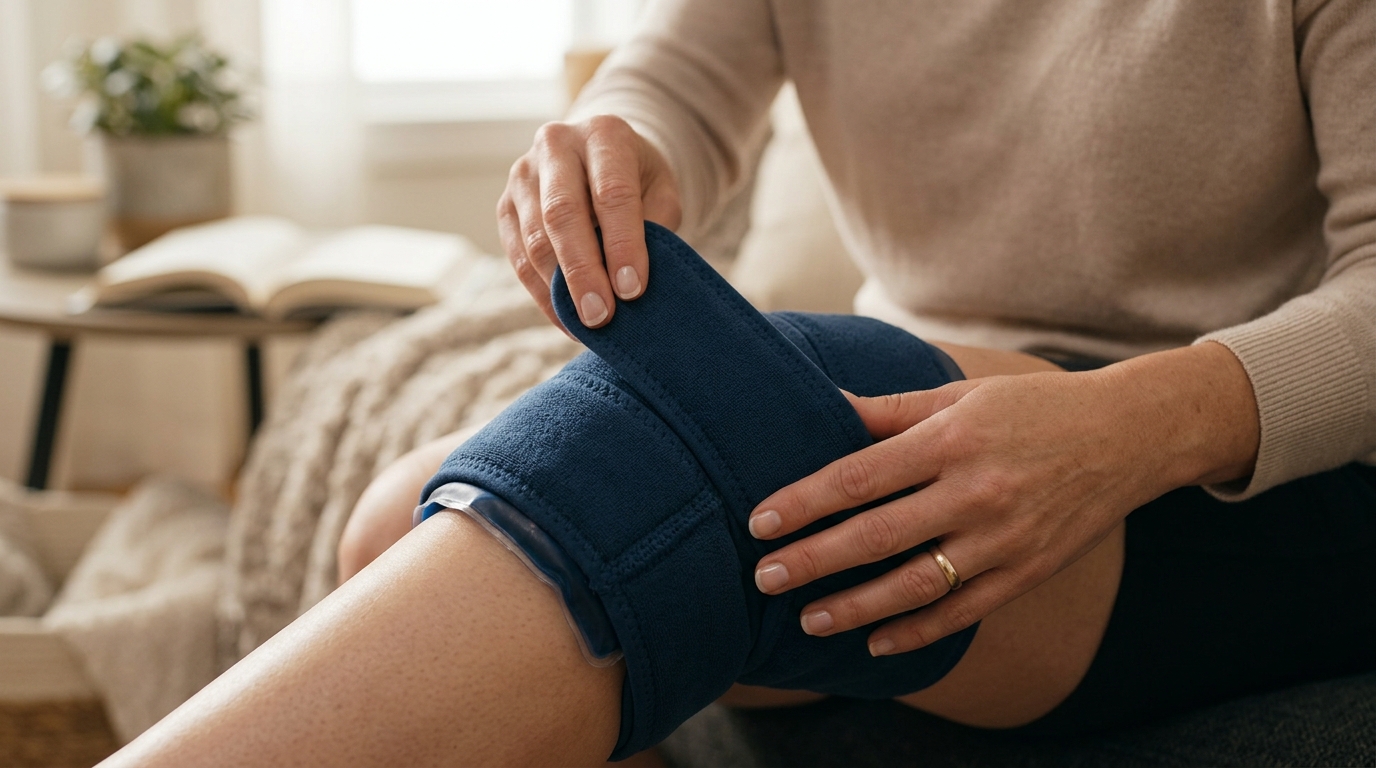
How to Select and Fit a Hypoallergenic Compression Ice Wrap for Your Injury
Managing acute inflammation or chronic joint pain requires more than just cold therapy. It demands precise application to ensure safety and efficacy. According to recent clinical data, approximately 15% of patients experience contact dermatitis from standard medical adhesives, highlighting the critical need for hypoallergenic materials in recovery gear. This guide explains how to choose the right gear and apply it correctly to maximize pain relief while protecting your skin.
Understanding Hypoallergenic Materials
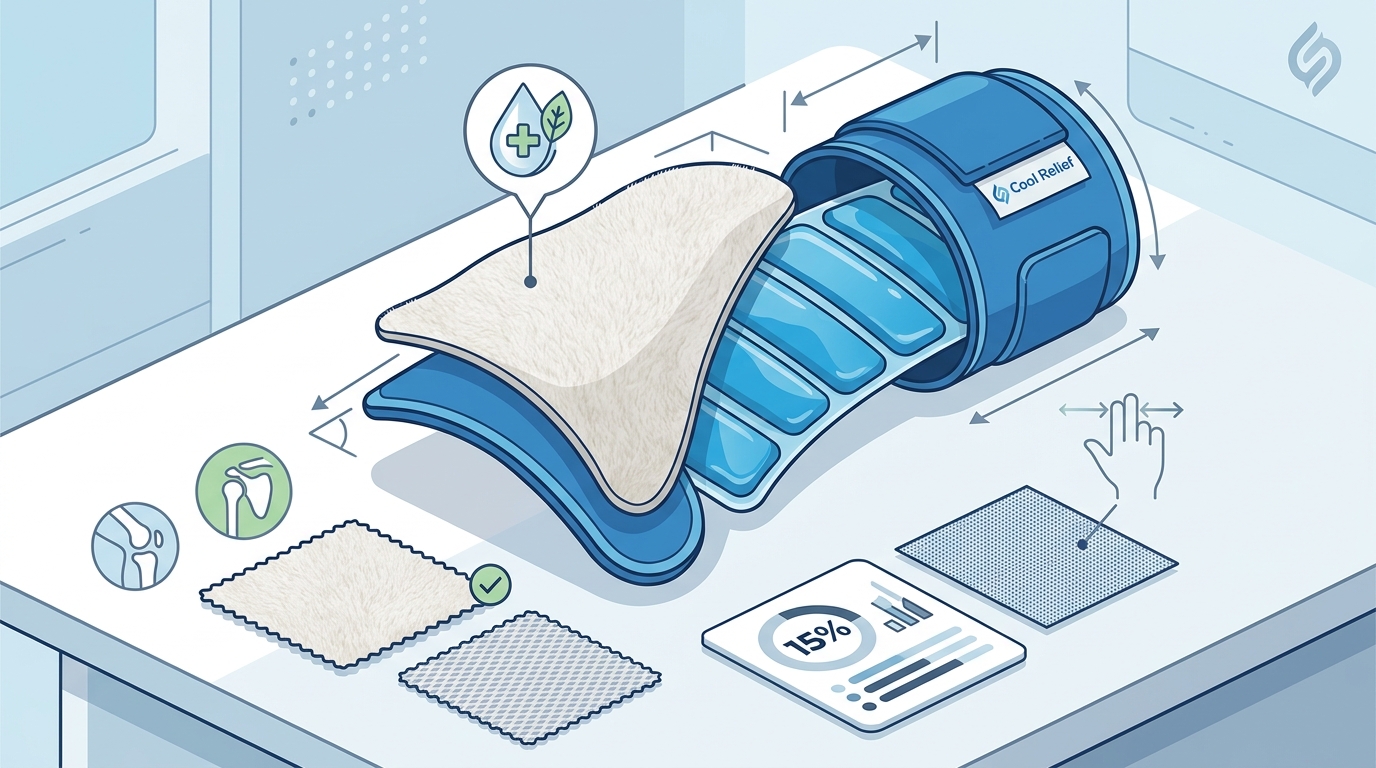
When dealing with sensitive skin, the fabric composition of your ice wrap is the primary defense against irritation. Standard elastic bandages often contain latex or harsh synthetic glues that trigger allergic reactions. A hypoallergenic wrap is defined as a medical-grade compression garment designed to minimize skin contact allergens, typically using latex-free neoprene or soft cotton blends.
These materials are engineered to allow breathability while maintaining the structural integrity needed for compression. Compression is vital because it restricts blood flow to the injured area, reducing the swelling that causes pain. Without proper compression, ice melts faster and provides less therapeutic value. The Pain Relief Guide on our site details how compression works physiologically to accelerate healing.
Look for wraps labeled as "latex-free" and "hypoallergenic." These terms indicate that the manufacturer has removed common irritants. For example, our premium ice pack collection utilizes soft gel inserts encased in durable, skin-friendly covers that resist bacterial growth and odor.
Selecting the Right Wrap for Your Injury
Not all injuries require the same type of support. The anatomy of the affected joint dictates the shape and size of the wrap you need. A one-size-fits-all approach often leads to poor circulation or inadequate coverage.
Anatomical Specificity
Knee injuries are the most common reason for ice wrap usage. The knee has complex ligaments and tendons that require even pressure distribution. A specialized knee ice wrap contours to the patella and the surrounding quadriceps and hamstrings. Shoulder injuries, by contrast, require a wrap that can cross the clavicle and secure around the upper arm without slipping.
Material Thickness and Weight
Heavier gel packs provide longer-lasting cold therapy but may be cumbersome for minor sprains. Lighter wraps are better for mobility. If you need to move around while treating your injury, consider our reusable gel pack inserts which are designed to be lightweight yet effective.
Proper Fitting Technique
Incorrect fitting can turn a therapeutic tool into a hazard. Too tight, and you risk nerve damage or ischemia. Too loose, and the ice pack shifts, leaving the injured tissue untreated.
- Prepare the Area: Ensure the skin is clean and dry. Moisture can cause the wrap to slip and increase the risk of chafing.
- Position the Gel Pack: Place the cold gel pack directly over the most painful area. For knee injuries, center it over the kneecap. For back pain, align it with the inflamed vertebrae.
- Apply Compression: Wrap the bandage firmly but comfortably. You should be able to slide a finger underneath the wrap. If you feel tingling or numbness, loosen it immediately.
- Secure the Ends: Use the Velcro straps or ties to secure the wrap. Ensure the gel pack does not shift when you move your limb.
For detailed instructions on specific body parts, visit our shop by injury section. We provide tailored advice for ankles, hips, and wrists.
Gel Pack Integration
The heart of any ice wrap is the gel pack. Traditional ice cubes melt quickly and create water messes. Modern soft gel packs offer a superior alternative. A soft gel pack is defined as a flexible, non-toxic polymer mixture that retains cold temperatures longer than ice and conforms to body contours.
When selecting a gel pack, consider the temperature retention. Our large hot/cold gel pack is designed for larger areas like the back or hip, providing extended relief. For smaller joints like the wrist or ankle, the small hot/cold gel pack offers precise coverage.
Always check the integrity of the gel pack before use. Look for leaks or tears in the outer casing. If the gel has leaked, discard the pack immediately. The gel is non-toxic but should not come into direct contact with open wounds.
Safety and Duration Guidelines
Cold therapy is powerful but must be used responsibly. Overuse can lead to tissue damage or frostbite. The general rule is to apply ice for 15 to 20 minutes at a time. This duration is sufficient to numb the nerves and reduce inflammation without causing harm.
Allow your skin to return to normal temperature between applications. This typically takes about 45 to 60 minutes. Applying ice too frequently can impair the body's natural healing response. For chronic conditions, consult a healthcare provider for a personalized schedule.
Never sleep with an ice wrap on. You may not feel the cold intensifying, leading to skin damage. Our multi-purpose wraps are designed for active use, not overnight wear. If you need overnight support, consider a compression sleeve without ice.
Key Takeaways
- Hypoallergenic is Essential: Choose latex-free materials to prevent contact dermatitis, which affects 15% of users.
- Anatomical Fit Matters: Use wraps designed for specific body parts like the knee or shoulder for optimal compression.
- Compression is Key: Proper tightness ensures the gel pack stays in place and maximizes cold therapy.
- Gel Pack Quality: Soft gel packs last longer and conform better than traditional ice.
- Time Limits: Limit application to 15-20 minutes to avoid tissue damage.
- Hygiene: Keep the wrap clean to prevent bacterial growth.
- Consult Professionals: Always follow medical advice for severe injuries.
Frequently Asked Questions
Can I use a hypoallergenic ice wrap on open wounds?
No. Ice wraps should never be applied directly to open wounds. The cold can damage exposed tissue, and the moisture can introduce bacteria. Wait until the wound is closed and healed before using cold therapy.
How often should I replace my ice wrap?
Replace your wrap when the Velcro loses its stickiness or the fabric shows signs of wear. Typically, with proper care, a high-quality wrap can last several years. Our replacement gel packs can be swapped out if the insert fails, extending the life of the wrap.
Is it safe to use heat and ice on the same day?
3Yes, but not simultaneously. Use ice for acute injuries (first 48 hours) to reduce swelling. Use heat for chronic pain or muscle stiffness to increase blood flow. Alternating them can be effective, but consult a doctor for a specific schedule.
What is the difference between a soft gel pack and a hard gel pack?
A soft gel pack is flexible and conforms to the body, providing even pressure. A hard gel pack is rigid and may not fit curved areas well. Soft gel is generally preferred for comfort and efficacy.
Can I wash the ice wrap in a washing machine?
Check the manufacturer's label. Most Cool Relief wraps are machine washable on a gentle cycle. However, always remove the gel pack before washing. Air drying is recommended to preserve the elasticity of the fabric.
Why do I feel burning when applying ice?
This is a normal sensation known as the "burning phase" that occurs after the initial cold numbness. It indicates that blood flow is returning to the area. If the pain becomes sharp or intense, remove the wrap immediately.
How do I know if my wrap is too tight?
If you experience numbness, tingling, or a change in skin color (blue or pale) below the wrap, it is too tight. Loosen it immediately and reapply with less pressure.
Get Started with Cool Relief
Recovery starts with the right tools. Whether you are dealing with a sports injury, post-surgery swelling, or chronic joint pain, our hypoallergenic compression ice wraps provide the relief you need. Explore our full range of premium ice packs and find the perfect fit for your injury. Visit our homepage to learn more about our commitment to quality and comfort.