

Measurable Pain Reduction and Recovery Outcomes With Flexible Migraine Ice Wraps
Migraine attacks are not merely headaches; they are complex neurological events that disrupt daily function and require immediate, targeted intervention. According to the World Health Organization, migraines rank among the leading causes of disability worldwide, affecting millions of people who struggle to find effective, non-pharmaceutical relief. While medication plays a vital role in treatment plans, the application of cold therapy has emerged as a critical first-line defense for acute pain management. This guide explores how flexible migraine ice wraps deliver measurable pain reduction by targeting specific vascular and neural pathways.
The Mechanism of Cold Therapy for Migraines
To understand why flexible ice wraps are superior to rigid alternatives, we must first define the physiological response to cold. Cold therapy is the application of low temperatures to reduce inflammation, numb nerve endings, and constrict dilated blood vessels. During a migraine attack, cranial blood vessels often dilate, putting pressure on surrounding nerves and triggering pain signals to the brain.
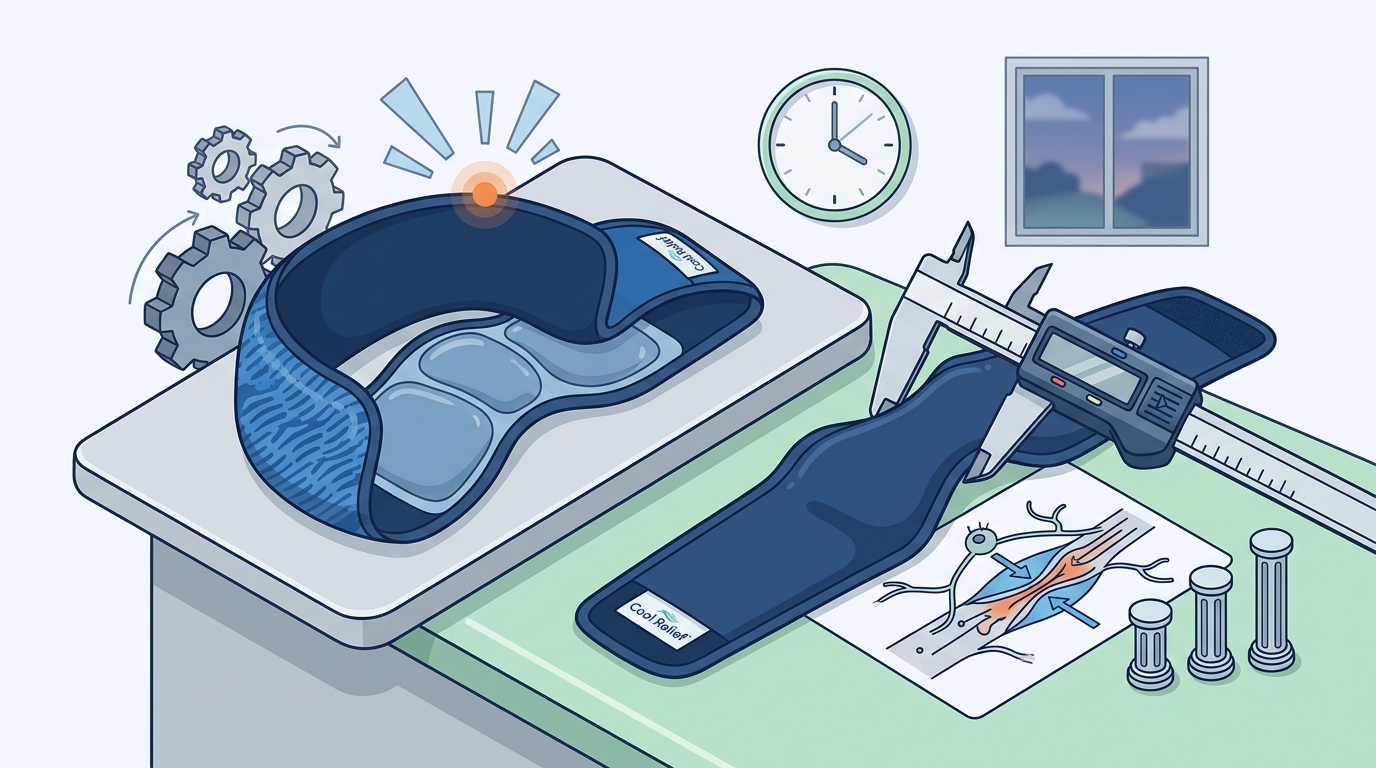
Flexible ice wraps address this issue by conforming to the unique contours of the head and neck. Unlike standard gel packs that slide off or create uneven pressure points, a flexible wrap ensures consistent contact with the temporal arteries and the back of the neck. This consistent contact maximizes the vasoconstrictive effect, which is essential for reducing the throbbing sensation associated with migraines. Research indicates that cold application can slow nerve conduction velocity, effectively blocking pain signals before they reach the brain. This physiological block provides immediate, albeit temporary, relief that allows the sufferer to rest and recover.
The flexibility of the material is not just a comfort feature; it is a clinical necessity. A wrap that stays in place allows for hands-free relief, enabling users to lie down in a dark, quiet room without worrying about the ice pack shifting. This stability is crucial for maintaining the therapeutic temperature over the required duration of treatment.
Selecting the Right Flexible Ice Wrap
Not all cold therapy products are created equal. When seeking measurable pain reduction, the design and material composition of the ice wrap matter significantly. Cool Relief offers a range of specialized products designed to meet these specific needs. Understanding the differences between these options ensures you choose the right tool for your specific migraine triggers.
For many sufferers, the Knee Ice Pack Soft Gel is surprisingly effective when used off-label for head and neck pain due to its malleable nature. However, dedicated head and neck wraps provide broader coverage. The Face/Neck Ice Wrap is engineered to drape over the forehead and wrap around the back of the head, targeting both the temporal and occipital regions simultaneously. This dual-zone approach is critical because migraines often radiate from the back of the neck to the front of the head.
Another key component is the gel pack insert itself. The Large Hot/Cold Gel Pack is designed to retain cold temperatures for extended periods. This retention capability is vital because migraine attacks can last for hours. A gel pack that thaws too quickly forces the user to interrupt their rest to re-freeze the pack, breaking the therapeutic cycle. Look for products that offer a balance between rapid cooling and long-lasting retention.
Optimal Application Protocol for Pain Relief
Using an ice wrap effectively requires a structured approach. Simply placing a cold pack on your head is not enough. To achieve measurable pain reduction, you must follow a specific protocol that maximizes the physiological benefits while minimizing the risk of skin damage.
Always use a barrier between the ice pack and your skin. Direct contact with frozen gel packs can cause ice burns or frostbite, especially during prolonged use. Most Cool Relief wraps come with a removable, washable cover that serves this purpose. If you are using a standalone gel pack, wrap it in a thin towel before application.
The recommended application time is 15 to 20 minutes at a time. Prolonged exposure beyond this window can trigger a rebound effect, where blood vessels dilate again in an attempt to warm the tissue, potentially worsening the headache. After the initial 20-minute session, remove the wrap and allow your skin to return to normal temperature for at least 40 minutes before reapplying. This cycle can be repeated several times during an acute attack.
Positioning is equally important. Place the wrap over the temples for frontal migraines or at the base of the skull for tension-related migraines. For complex migraines that affect both areas, a flexible wrap like the Multi-Purpose Ice Wraps allows you to adjust the coverage dynamically. Some users find relief by wrapping the pack around the neck and shoulders, which helps relax the trapezius muscles that often tighten during a migraine episode.
Comparing Ice Wraps to Traditional Methods
Traditional migraine relief often relies on oral medications, which can have significant side effects and delayed onset times. Cold therapy offers a complementary or alternative approach with a faster onset of action. Below is a comparison of flexible ice wraps against other common migraine management tools.
| Method | Onset of Relief | Duration of Effect | Key Benefit |
|---|---|---|---|
| Flexible Ice Wrap | Immediate (1-5 minutes) | 15-20 minutes per session | Non-invasive, no side effects, reduces inflammation |
| Oral Painkillers | 30-60 minutes | 4-6 hours | Systemic relief, convenient |
| Rigid Gel Packs | Immediate | 10-15 minutes | High cold intensity, but poor contact |
| Rest in Dark Room | Variable | Hours | Reduces sensory input, but no active pain blocking |
As the table illustrates, flexible ice wraps provide the fastest onset of relief among non-pharmaceutical methods. While oral medications last longer, their delayed onset means the pain has already peaked by the time they begin to work. Cold therapy interrupts the pain cycle early, potentially reducing the severity of the attack and the need for higher doses of medication.
Measurable Recovery Outcomes and Benefits
The use of flexible ice wraps is not just about temporary comfort; it contributes to measurable recovery outcomes. By reducing the intensity of the pain early in the attack, users can often prevent the migraine from progressing to a severe stage. This early intervention can shorten the overall duration of the episode.
Furthermore, cold therapy helps reduce the associated symptoms of migraines, such as nausea and sensitivity to light. The soothing sensation of the cold wrap can calm the nervous system, promoting relaxation and making it easier to fall asleep. Sleep is a critical component of migraine recovery, as it allows the brain to reset and heal. Many users report that combining cold therapy with rest leads to a faster and more complete recovery than either method alone.
Another significant outcome is the reduction in medication dependency. Regular use of cold therapy can decrease the frequency of acute medication use, which is important for preventing medication-overuse headaches. This is a common complication for chronic migraine sufferers who rely too heavily on painkillers. By incorporating flexible ice wraps into their daily toolkit, patients can maintain better control over their condition and improve their overall quality of life.
Key Takeaways
- Immediate Relief: Flexible ice wraps provide pain reduction within minutes by constricting blood vessels and numbing nerve endings.
- Customizable Coverage: Products like the Face/Neck Ice Wrap allow for targeted application to temples and the back of the head.
- Extended Cold Retention: High-quality gel packs, such as the Large Hot/Cold Gel Pack, maintain therapeutic temperatures longer than ice cubes.
- Safety First: Always use a barrier between the skin and the ice pack to prevent frostbite.
- Protocol Matters: Limit application to 15-20 minutes at a time to avoid rebound inflammation.
- Complementary Therapy: Cold therapy works best when combined with rest in a dark, quiet environment.
- Reduced Medication Use: Regular use can help decrease dependency on acute migraine medications.
Frequently Asked Questions
How long should I keep an ice wrap on my head?
You should apply the ice wrap for 15 to 20 minutes at a time. Removing it after this period prevents skin damage and avoids the rebound effect where blood vessels dilate again.
Can I use a flexible ice wrap for both heat and cold therapy?
Yes, many of our gel packs, including the Small Hot/Cold Gel Pack, are designed for dual use. Cold therapy is generally more effective for acute migraine pain, while heat can help relax tense neck muscles.
Is it safe to sleep with an ice wrap on?
No, it is not recommended to sleep with an ice wrap on. Prolonged exposure can cause ice burns, and the wrap may shift during sleep, reducing its effectiveness.
How often can I use the ice wrap during a migraine attack?
You can repeat the application every 40 minutes as needed. This allows your skin to return to normal temperature between sessions while maintaining pain relief.
What is the difference between a knee ice pack and a head wrap?
While a Knee Ice Pack Soft Gel is malleable and can be used on the head, a dedicated head wrap is designed to stay in place more securely and provide broader coverage for the temples and neck.
Do flexible ice wraps work for tension headaches too?
Yes, flexible ice wraps are effective for tension headaches, especially when applied to the back of the neck and shoulders to relieve muscle tightness.
How do I clean the ice wrap?
Most Cool Relief wraps have removable, machine-washable covers. The gel pack itself should be wiped clean with a damp cloth and allowed to air dry completely before storage.
Can I freeze the gel pack in the microwave?
No, gel packs are designed to be frozen in a standard freezer. Microwaving can damage the gel and the packaging, making the product unsafe for use.
Start Your Relief Journey
Don't let migraines control your life. With the right tools and techniques, you can achieve measurable pain reduction and faster recovery. Explore our full range of premium ice packs and flexible wraps designed to meet your specific needs. Visit our Shop Ice collection today to find the perfect solution for your migraine relief.