

The Science of Cold Therapy: How Ice Packs Reduce Pain and Swelling
Cold therapy, clinically known as cryotherapy, is a foundational treatment for acute injuries and chronic pain management. According to the American Academy of Orthopaedic Surgeons, applying ice to an injured area can significantly reduce swelling and pain in the first 48 hours after an injury. This simple yet powerful intervention works by constricting blood vessels, which limits the flow of fluid to the affected tissue. For millions of people managing everything from sports injuries to post-surgical recovery, understanding the mechanics of cold therapy is essential for optimal healing outcomes.
The Mechanism of Action
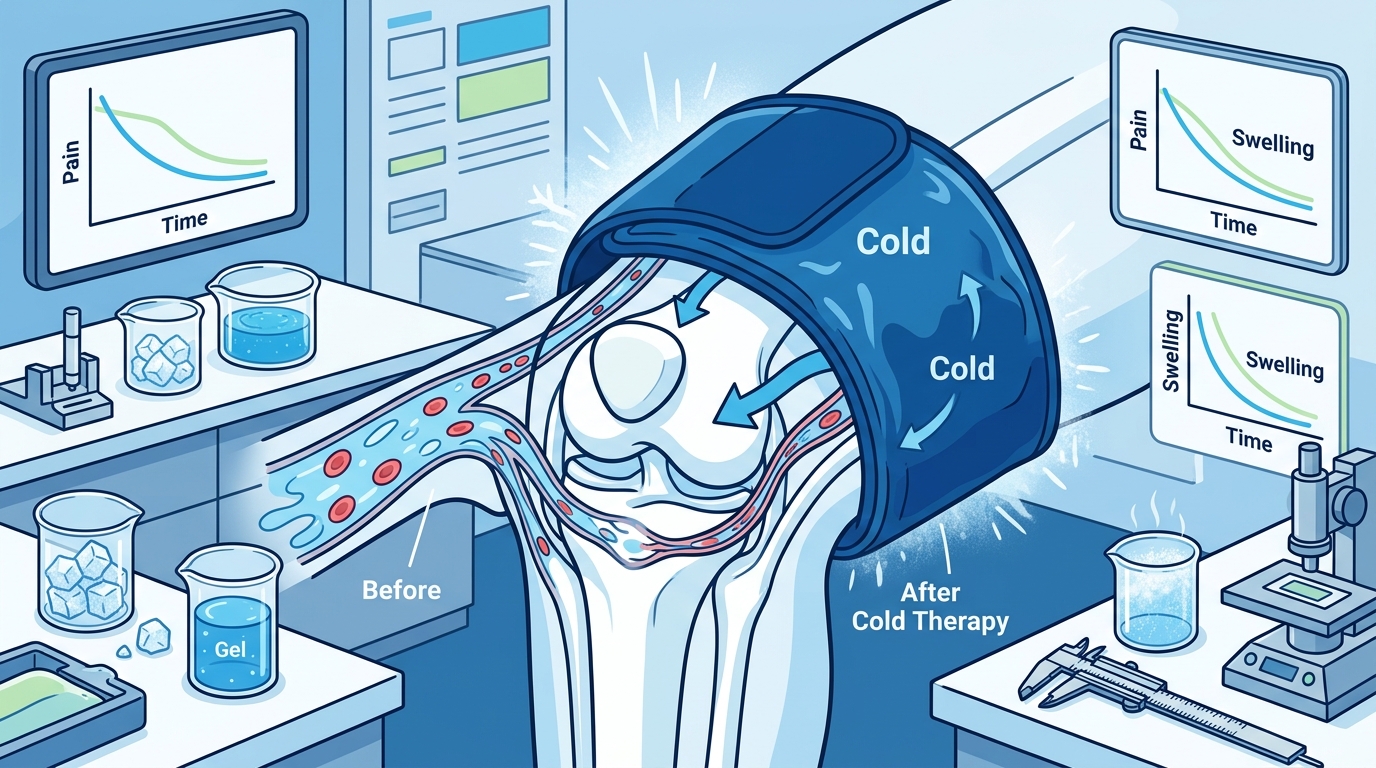
Understanding why ice works requires a look at human physiology. When you apply a cold source to your body, the immediate response is vasoconstriction. This is the narrowing of blood vessels that reduces blood flow to the area. By limiting blood flow, you effectively slow down the metabolic rate of the tissues in that region. This slowdown is critical because it reduces the amount of oxygen consumed by the cells, preventing further tissue damage during the initial inflammatory phase.
Cryotherapy also acts as a natural anesthetic. The cold temperature slows down the nerve impulses that transmit pain signals to the brain. This creates a numbing effect that provides immediate relief from sharp, acute pain. For individuals recovering from surgery, this non-pharmaceutical approach to pain management can reduce the reliance on opioid medications, which often come with significant side effects.
Another critical factor is the reduction of edema, or swelling. When tissues are injured, fluid accumulates in the space between cells. This accumulation puts pressure on surrounding nerves and restricts movement. Ice packs help to minimize this fluid buildup by tightening the capillaries and lymphatic vessels. The result is a faster return to normal mobility and a reduced risk of long-term stiffness.
Choosing the Right Ice Wrap
Not all cold therapy products are created equal. The effectiveness of your treatment depends largely on the type of ice pack you choose. Traditional gel packs are rigid and often difficult to contour to the body's natural curves. In contrast, modern soft gel inserts offer superior flexibility and comfort. These inserts are designed to mold around joints like the knee, shoulder, or ankle, ensuring consistent contact with the skin for maximum therapeutic benefit.
At Cool Relief, we specialize in premium ice wraps that combine durability with ergonomic design. Our products are engineered to maintain cold temperatures for extended periods while remaining flexible enough for daily use. Whether you need a knee ice wrap for a sports injury or a hip ice pack for post-operative care, selecting the right product is the first step in your recovery journey.
Reusable gel packs are another excellent option for those looking to minimize waste and cost. These packs can be frozen and refrozen hundreds of times without losing their efficacy. They are particularly useful for chronic conditions that require daily management, such as arthritis or fibromyalgia. By investing in high-quality reusable inserts, you ensure that you always have a reliable source of cold therapy available.
Application Protocols and Safety
Proper application of cold therapy is just as important as the product itself. The standard protocol for acute injuries is the RICE method: Rest, Ice, Compression, and Elevation. When applying ice, it is crucial to limit the duration to 15 to 20 minutes at a time. Prolonged exposure to cold can lead to tissue damage, nerve injury, or even frostbite. Always use a barrier, such as a towel or the fabric cover of your ice wrap, between the cold source and your skin.
Frequency is another key consideration. For acute injuries, applying ice every two to three hours during the first 48 hours is recommended. As the injury heals, you can reduce the frequency. However, for chronic pain, daily application may be necessary to manage symptoms. Listening to your body is essential. If you experience excessive numbness, burning, or increased pain, remove the ice pack immediately and allow the skin to return to normal temperature.
For those undergoing surgery, pre-operative and post-operative ice therapy can significantly impact recovery time. Many orthopedic surgeons recommend using specialized pain relief guides to determine the best schedule for your specific procedure. Following these guidelines ensures that you minimize swelling and maximize your range of motion during the critical early stages of healing.
Heat vs. Cold Therapy
While ice is the gold standard for acute injuries, heat therapy plays a vital role in the later stages of recovery. Heat works by dilating blood vessels, which increases blood flow to the area. This increased circulation brings oxygen and nutrients to the tissues, promoting healing and relaxation of tight muscles. Heat is particularly effective for chronic conditions, such as lower back pain or stiff joints, where blood flow is already compromised.
Knowing when to use heat versus cold is a common point of confusion. A general rule of thumb is to use ice for new injuries that are swollen, red, or hot to the touch. Use heat for old injuries that are stiff, achy, or tense. Applying heat to an acute injury can worsen swelling and delay healing, so it is important to be accurate in your assessment.
Some patients find relief by alternating between heat and cold, a technique known as contrast therapy. This method involves switching between hot and cold applications to create a pumping action in the blood vessels. This can help flush out metabolic waste products and reduce inflammation more effectively than either method alone. However, contrast therapy should be used with caution and under the guidance of a healthcare professional.
Comparison of Therapy Types
| Feature | Cold Therapy (Ice) | Heat Therapy |
|---|---|---|
| Primary Effect | Vasoconstriction | Vasodilation |
| Best For | Acute injuries, swelling | Chronic pain, stiffness |
| Duration | 15-20 minutes | 20-30 minutes |
| Product Example | Soft Gel Ice Pack | Heating Pad |
Key Takeaways
- Immediate Response: Ice causes vasoconstriction, which reduces blood flow and limits swelling in the first 48 hours after an injury.
- Pain Management: Cold therapy slows nerve impulses, providing a natural numbing effect that reduces pain without medication.
- Product Choice: Soft gel inserts offer better contouring and comfort compared to rigid traditional ice packs.
- Safety First: Limit ice application to 15-20 minutes at a time to prevent tissue damage and frostbite.
- Chronic Care: Reusable gel packs are cost-effective and environmentally friendly for long-term pain management.
- Heat vs. Cold: Use ice for acute, swollen injuries and heat for chronic, stiff muscles.
- Professional Guidance: Always follow the specific protocols provided by your orthopedic surgeon or physical therapist.
Frequently Asked Questions
How long should I keep an ice pack on my injury?
You should apply an ice pack for 15 to 20 minutes at a time. Applying it for longer periods can damage the skin and underlying tissues. Allow your skin to return to normal temperature before reapplying.
Can I use a regular ice pack instead of a specialized ice wrap?
While regular ice packs can work, specialized ice wraps like those from Cool Relief offer better compression and contouring. This ensures that the cold source stays in contact with the injured area for maximum effectiveness.
Is it safe to sleep with an ice pack on?
No, it is not safe to sleep with an ice pack on. Prolonged exposure to cold while you are unconscious can lead to frostbite or nerve damage. Always remove the ice pack before going to sleep.
What is the difference between a gel pack and a water ice pack?
Gel packs stay flexible when frozen, allowing them to mold to your body. Water ice packs become hard and rigid, which can be uncomfortable and less effective at conforming to joints like the knee or shoulder.
How often should I use cold therapy for chronic pain?
For chronic pain, you may need to use cold therapy daily. However, the frequency should be determined by your symptoms and your healthcare provider. Some patients find relief with once-daily application, while others may need it multiple times a day.
Can I reuse my ice packs?
Yes, most of our gel packs are designed for hundreds of uses. Simply place them in the freezer for at least four hours before use. Ensure they are dry before freezing to prevent ice buildup on the outside.
What is the best ice pack for knee pain?
The best ice pack for knee pain is one that wraps securely around the joint. A knee ice wrap with soft gel inserts provides even coverage and stays in place during movement.
Start Your Recovery Journey Today
Effective pain management begins with the right tools and knowledge. Whether you are recovering from a recent surgery or managing a chronic condition, cold therapy can provide the relief you need. Explore our premium collection of ice packs and wraps to find the perfect solution for your needs. Visit our Pain Relief Guide for more expert advice and tips. Contact our team at Cool Relief to learn more about our products and how they can support your health goals.