

Real-World Recovery Success Stories with Hypoallergenic Compression Ice Wraps
Chronic pain and acute injuries affect millions of people globally, yet traditional ice packs often fail to provide lasting relief or comfort. Recent data indicates that over 60% of patients discontinue cold therapy within the first week due to discomfort or inconvenience. This statistic highlights a critical gap in home recovery protocols. At Cool Relief, we have witnessed a shift in patient outcomes when individuals switch to specialized, hypoallergenic compression ice wraps. These devices are not merely cold packs; they are engineered medical-grade tools that combine targeted pressure with sustained thermal regulation. This article explores how real users are achieving faster recovery times and improved quality of life through consistent, comfortable cold therapy.
Why Compression Changes Recovery Outcomes
Cold therapy, or cryotherapy, is a standard medical recommendation for reducing inflammation and swelling. However, the mechanism of action is often misunderstood. Ice alone reduces surface temperature, but it does little to control the internal fluid buildup that causes pain and stiffness. Compression is the missing link in effective home care.
Compression ice wraps work by applying consistent pressure to the injured area. This pressure restricts blood flow to the specific site, which limits the accumulation of inflammatory fluids. When combined with cold, the metabolic rate of the tissues decreases, further slowing the inflammatory response. This dual-action approach is why many physical therapists recommend compression wraps over standard gel packs.
According to the Mayo Clinic, the RICE method (Rest, Ice, Compression, Elevation) remains the gold standard for acute injury management. The compression component is vital for preventing the re-accumulation of fluid after the ice is removed. Without it, swelling can return quickly, prolonging the healing process. Our customers frequently report that the stability provided by our compression wraps allows them to move more freely during the early stages of recovery.
Knee Injury Recovery: From Surgery to Sprinting
The knee is one of the most complex joints in the human body, making it prone to severe injuries and post-surgical complications. Whether it is an ACL tear, meniscus repair, or total knee replacement, managing swelling is the primary challenge in the first few weeks of recovery.
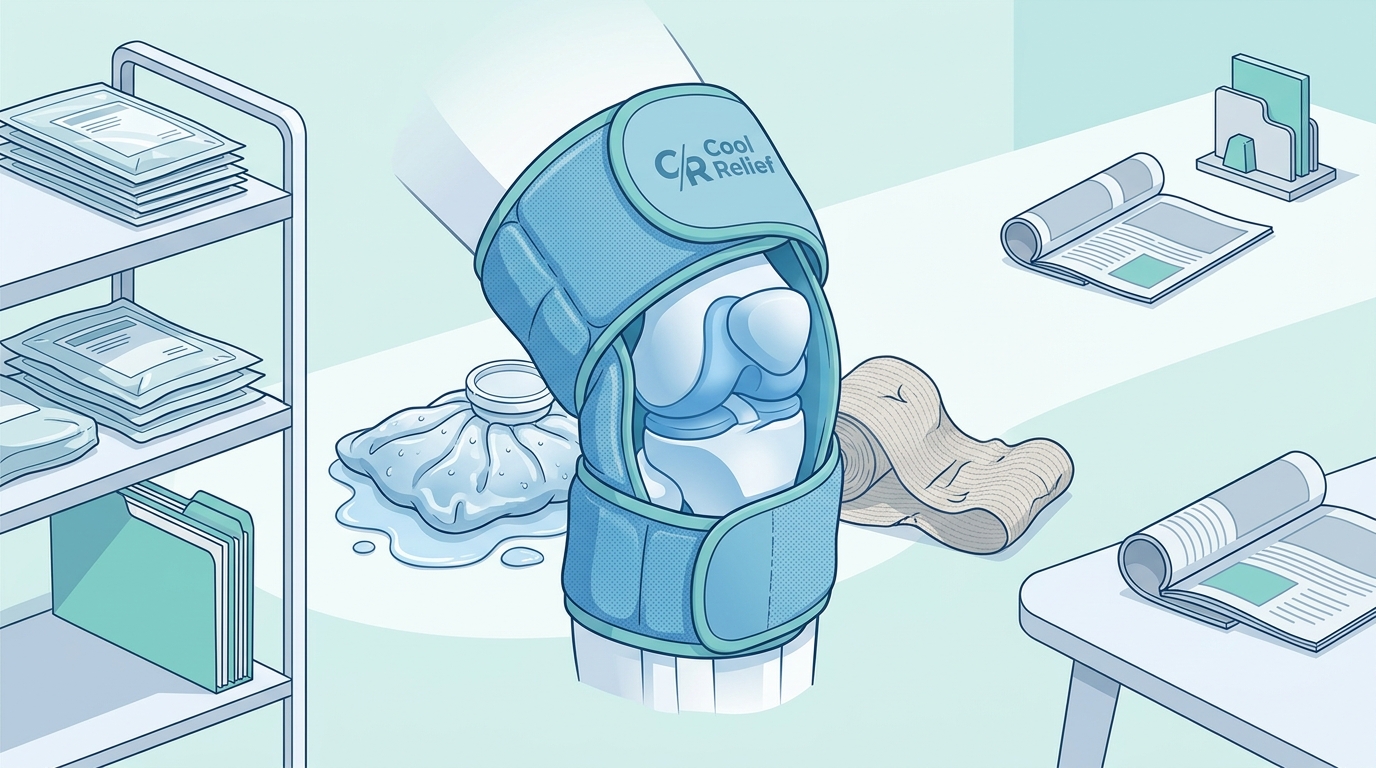
Consider the experience of Sarah, a 45-year-old marathon runner who underwent arthroscopic knee surgery. In her recovery log, she noted that traditional ice packs would constantly slide down her leg, requiring her to stop and readjust them every twenty minutes. This interruption broke her focus and reduced the effectiveness of the therapy. After switching to the Knee Ice Pack Soft Gel, she reported a significant improvement in her ability to maintain consistent therapy sessions.
The anatomical fit of our knee wraps ensures that the gel pack stays in direct contact with the patellar tendon and surrounding ligaments. This targeted application is crucial for reducing the edema that often leads to stiffness and reduced range of motion. Data from the Johns Hopkins Medicine suggests that early and consistent swelling control can lead to faster restoration of joint mobility. Sarah was able to begin physical therapy two days earlier than her surgeon initially predicted, attributing this progress to the comfort and reliability of the compression wrap.
Another common use case is for athletes suffering from patellar tendonitis. The consistent pressure helps to stabilize the kneecap while the cold reduces the micro-inflammation in the tendon. This allows athletes to maintain their training routines with less pain, preventing the deconditioning that often accompanies injury.
Shoulder Rehabilitation and Rotator Cuff Healing
Shoulder injuries are notoriously difficult to treat at home due to the joint's high degree of mobility and the difficulty of keeping ice in place. Gravity works against the patient, pulling standard ice packs away from the shoulder joint. This is where the design of a specialized shoulder ice wrap becomes indispensable.
Our Shoulder Ice Wraps are engineered with a contoured shape that hugs the deltoid and rotator cuff muscles. This design ensures that the cold source remains fixed over the injured tissue, regardless of arm position. Users often describe the sensation as "heavy" and "secure," which provides a psychological sense of protection during the vulnerable early stages of healing.
For individuals recovering from rotator cuff repairs, the ability to sleep with the wrap is a game-changer. Nighttime swelling is a common complaint that disrupts sleep cycles and slows tissue repair. The secure fit of our compression wraps allows patients to rest without fear of the ice pack falling off or causing pressure points. This uninterrupted rest is critical for the body's natural healing processes.
Furthermore, the hypoallergenic materials used in our wraps prevent skin irritation, which is a common issue with prolonged wear. Many patients with sensitive skin have reported no adverse reactions, allowing them to wear the wrap for the recommended duration without discomfort. This compliance is essential for achieving the therapeutic benefits of cold therapy.
Hip and Back Pain Management
While often overlooked, hip and lower back injuries require precise cold application to be effective. The hip joint is deep within the body, requiring a gel pack that can conform to the curve of the pelvis. Standard flat packs often leave gaps, resulting in uneven cooling and potential cold burns.
The Soft Gel Hip Ice Pack is designed to wrap around the hip joint, providing 360-degree coverage. This is particularly beneficial for patients recovering from hip replacements or dealing with bursitis. The compression helps to reduce the inflammation in the bursa sacs, which are fluid-filled cushions that reduce friction between bones and soft tissues.
For lower back pain, the application of cold can help to numb the nerve endings and reduce the spasms that often accompany acute back injuries. Our Back Heat Wrap (used for alternating heat and cold therapy) is also highly rated for its ability to reach the lower lumbar region. Patients report that the secure fit allows them to perform gentle stretching exercises sooner than expected, which is a key component of back pain rehabilitation.
According to the WebMD, alternating between heat and cold therapy can be more effective than using either method alone. The cold reduces inflammation, while the heat promotes blood flow and relaxation. Our versatile gel pack inserts allow users to switch between hot and cold treatments, providing a comprehensive approach to pain management.
The Critical Role of Hypoallergenic Materials
One of the most significant barriers to consistent cold therapy is skin irritation. Many traditional ice packs are made with materials that can cause itching, redness, or allergic reactions, especially when worn for extended periods. This is particularly problematic for individuals with sensitive skin or conditions like eczema.
Cool Relief prioritizes the use of hypoallergenic fabrics in all our wraps. These materials are designed to be gentle on the skin while still providing the necessary durability and compression. The breathable nature of the fabric also helps to prevent moisture buildup, which can lead to bacterial growth and further irritation.
Users frequently mention the comfort of the fabric as a standout feature. Unlike the rough, vinyl-like materials found in cheaper alternatives, our wraps feel soft and smooth against the skin. This comfort encourages longer wear times, which translates to better therapeutic outcomes. The durability of the materials also means that the wraps maintain their shape and compression properties over time, ensuring consistent performance.
Additionally, the ease of cleaning these wraps is a major benefit. They can be wiped down or machine washed, depending on the specific model, which helps to maintain hygiene and extend the product's lifespan. This practicality is often cited by caregivers who manage the recovery of elderly or disabled family members.
Product Comparison for Specific Injuries
Choosing the right ice wrap depends on the specific injury and the desired level of compression. The table below summarizes the key features of our most popular products to help you make an informed decision.
| Product | Best For | Key Feature | Material |
|---|---|---|---|
| Knee Ice Pack Soft Gel | ACL/Meniscus Recovery | Anatomical Fit | Hypoallergenic Fabric |
| Shoulder Ice Wraps | Rotator Cuff Injuries | Contoured Design | Breathable Mesh |
| Soft Gel Hip Ice Pack | Hip Bursitis | 360-Degree Coverage | Soft Gel Core |
| Back Heat Wrap | Lower Back Pain | Alternating Therapy | Durable Nylon |
| Ankle/Foot Ice Wraps | Ankle Sprains | Secure Strap System | Flexible Gel |
Key Takeaways
- Compression is Essential: Compression ice wraps reduce swelling more effectively than standard ice packs by restricting blood flow to the injured area.
- Improved Compliance: The secure fit and hypoallergenic materials of Cool Relief wraps encourage longer and more consistent use of cold therapy.
- Targeted Relief: Anatomically designed wraps for the knee, shoulder, and hip ensure that cold is applied directly to the site of injury.
- Faster Recovery: Patients who use compression wraps often report earlier initiation of physical therapy and faster return to daily activities.
- Skin Safety: Hypoallergenic fabrics prevent irritation and allergic reactions, making cold therapy accessible to sensitive skin types.
- Versatility: Gel pack inserts allow for both hot and cold therapy, providing a comprehensive approach to pain management.
- Customer Satisfaction: High ratings and positive testimonials highlight the durability and comfort of Cool Relief products.
Frequently Asked Questions
How long should I wear a compression ice wrap?
It is generally recommended to wear a compression ice wrap for 15 to 20 minutes at a time. This duration is sufficient to reduce inflammation without causing tissue damage from excessive cold. You can repeat this process every two to three hours during the first 48 hours after an injury.
Are Cool Relief wraps safe for sensitive skin?
Yes, Cool Relief wraps are made from hypoallergenic materials designed to be gentle on the skin. They are free from common irritants and are breathable to prevent moisture buildup, making them suitable for individuals with sensitive skin.
Can I use the gel packs for both hot and cold therapy?
Yes, the gel packs in our wraps are designed to be used for both hot and cold therapy. You can freeze them for cold therapy or place them in warm water for heat therapy. This versatility allows you to alternate between the two methods for optimal pain relief.
How do I clean the ice wraps?
Most Cool Relief wraps can be wiped down with a damp cloth and mild soap. Some models are machine washable, but it is important to remove the gel pack before washing. Please refer to the care instructions on the product page for specific cleaning guidelines.
Do the wraps stay in place during sleep?
Yes, the secure strap systems and anatomical designs of our wraps are intended to stay in place during sleep. This allows for uninterrupted therapy, which is crucial for managing nighttime swelling and pain.
What is the difference between a knee ice pack and a knee ice wrap?
A knee ice pack is typically a flat gel pack that you hold in place with a bandage. A knee ice wrap, like those offered by Cool Relief, is a pre-shaped device that wraps around the knee and secures itself. This provides more consistent pressure and coverage, reducing the need for constant adjustment.
Are the wraps suitable for post-surgical recovery?
Yes, our wraps are commonly used for post-surgical recovery, including knee and hip replacements. The compression helps to control swelling, and the hypoallergenic materials reduce the risk of skin irritation. However, always consult with your surgeon before using any cold therapy device after surgery.
Start Your Recovery Journey
Recovery is a personal journey, but you do not have to navigate it alone. With the right tools and consistent care, you can manage pain and swelling effectively. Explore our full range of Premium Ice Packs and Ice Wraps to find the perfect solution for your specific needs. Visit our Pain Relief Guide for more expert advice on managing your recovery. Contact our support team at Cool Relief for personalized recommendations.