
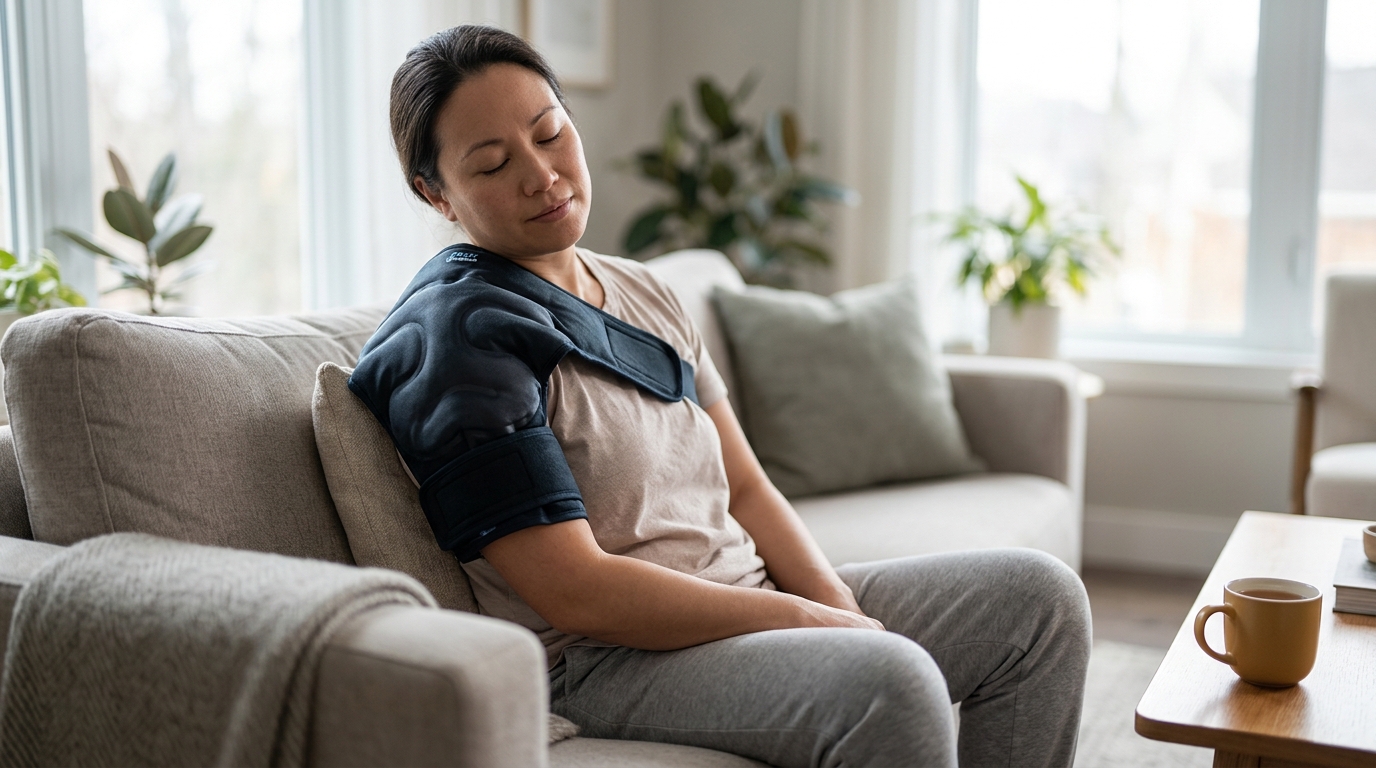
Chronic pain and acute injuries affect millions of people globally, creating a massive demand for accessible, non-pharmaceutical solutions. According to the Centers for Disease Control and Prevention, nearly 50% of adults in the United States report having chronic pain, a statistic that highlights the urgent need for effective home-based management strategies. Ice therapy, or cryotherapy, remains the gold standard for immediate pain mitigation, yet many users struggle with proper application techniques. This guide explains the science behind cold therapy and provides actionable steps for using premium ice wraps to accelerate your recovery journey.
The Science of Cryotherapy
Cold therapy is not merely a comfort measure; it is a physiological intervention. Cryotherapy is the treatment of injury or disease by exposure to cold. When applied to an injured area, the cold temperature causes vasoconstriction, which is the narrowing of blood vessels. This process reduces blood flow to the area, effectively limiting swelling and inflammation.
Beyond swelling control, ice acts as a local anesthetic. The cold slows down nerve conduction velocity, which temporarily numbs the area and reduces the pain signals sent to the brain. This dual action makes ice wraps superior to standard ice packs because they maintain consistent contact with the skin, ensuring uniform cooling without the mess of melting ice cubes.
For those seeking to understand the broader context of pain management, the Pain Relief Guide offers comprehensive insights into managing discomfort through various therapeutic methods.
Selecting the Correct Ice Wrap
Not all cold therapy products are created equal. The effectiveness of an ice wrap depends heavily on its material composition and design. Cool Relief specializes in premium soft gel packs that conform to the body's contours, providing superior coverage compared to rigid gel inserts.
When selecting a product, consider the following factors:
- Conformability: The wrap must mold to the specific joint or muscle group to ensure even cold distribution.
- Retention: High-quality gel packs retain cold temperatures for extended periods, reducing the need for frequent re-freezing.
- Comfort: The outer fabric should be breathable and soft to prevent skin irritation during prolonged use.
For example, the Knee Ice Pack Soft Gel is designed specifically for the complex anatomy of the knee, offering targeted relief for arthritis or sports injuries. Similarly, the Soft Gel Hip Ice Pack addresses the broader surface area of the hip joint, which is crucial for post-surgical recovery.
Proper Application Protocol
Using ice wraps incorrectly can lead to skin damage or reduced efficacy. Follow this step-by-step protocol to maximize your recovery benefits.
Step 1: Preparation
Ensure the ice wrap is properly frozen. Most gel packs require 2 to 4 hours in a standard freezer to reach optimal temperature. Avoid using ice packs that are frozen solid for more than 24 hours, as this can make the gel too rigid and uncomfortable.
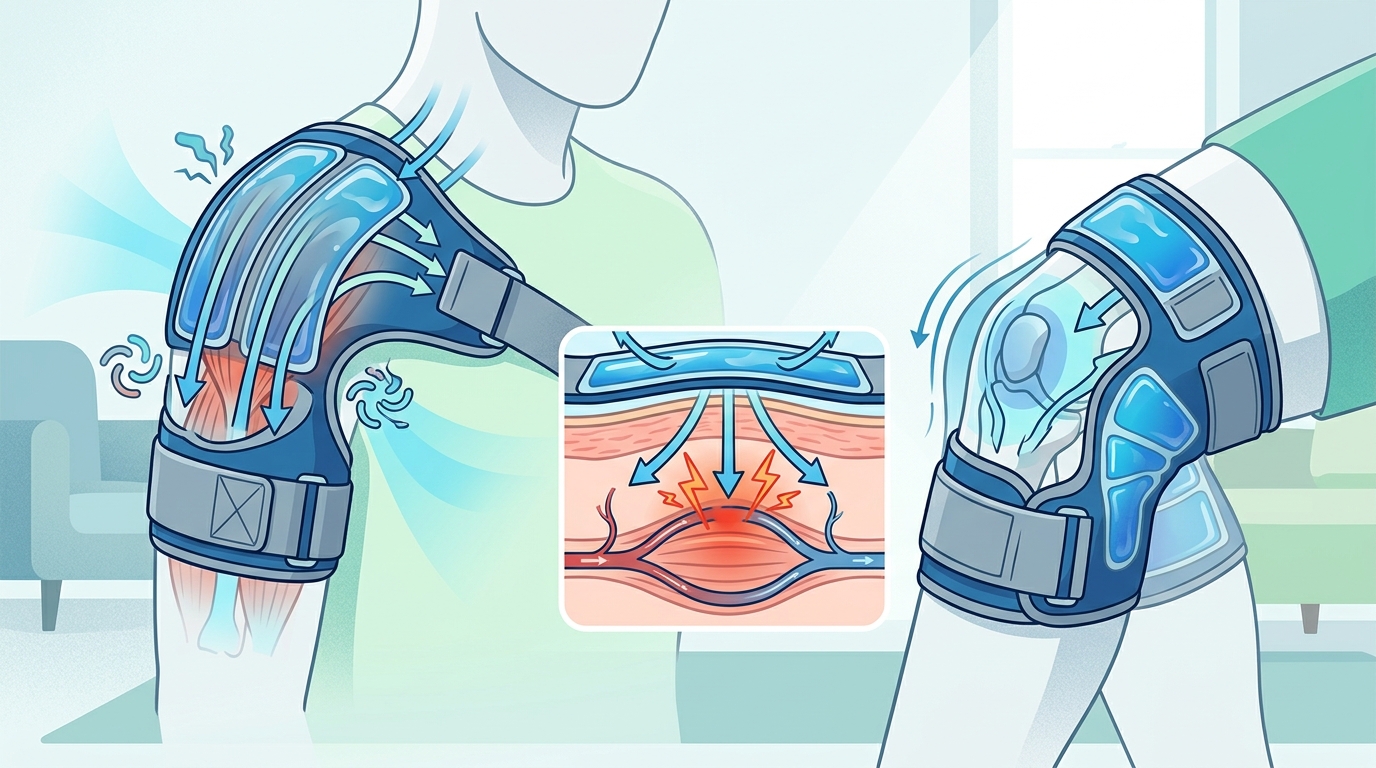
Step 2: Barrier Protection
Never apply an ice pack directly to bare skin. Always use a thin towel or the provided fabric cover as a barrier. This prevents frostbite and ensures a more gradual temperature transfer to the tissues.
Step 3: Application Time
Apply the ice wrap to the injured area for 15 to 20 minutes. This duration is sufficient to achieve vasoconstriction without causing tissue damage. Removing the wrap after 20 minutes allows the skin temperature to normalize, preventing rebound inflammation.
Step 4: Frequency
Repeat the application every 2 to 3 hours during the first 48 to 72 hours after an injury. This frequency helps control acute inflammation effectively.
For more detailed instructions on managing specific conditions, visit the Pain Relief Guide on our blog.
Targeting Specific Injuries
Different body parts require different approaches to cold therapy. Below is a breakdown of how to use ice wraps for common injury sites.
Knee Injuries
The knee is a complex hinge joint prone to ligament tears, meniscus damage, and arthritis. A specialized Knee Ice Wrap wraps around the joint, securing the gel pack in place. This ensures that the cold penetrates deep into the synovial fluid, reducing stiffness and pain.
Hip and Back Pain
Hip pain often radiates to the lower back, creating a chain of discomfort. The Hip Ice Pack is designed with a larger surface area to cover both the hip joint and the upper gluteal muscles. This broad coverage helps alleviate tension in the surrounding musculature.
Shoulder and Neck
Shoulder injuries, such as rotator cuff strains, require precise cooling. The Shoulder Ice Wrap contours to the deltoid and acromioclavicular joint, providing targeted relief without restricting movement during the initial healing phase.
When to Use Heat Instead
While ice is critical for acute injuries, heat therapy plays a vital role in chronic pain management. Thermotherapy is the application of heat to treat muscle stiffness and chronic pain. Heat increases blood flow, which delivers oxygen and nutrients to tight muscles, promoting relaxation and healing.
Use heat for:
- Chronic muscle stiffness
- Arthritis pain that is not inflamed
- Pre-workout warm-ups
Use ice for:
- Acute injuries (sprains, strains)
- Post-surgical swelling
- Active inflammation
Cool Relief offers a comprehensive range of Heat Wraps that complement their ice pack line, allowing you to switch therapies based on your current symptoms.
Key Takeaways
- Cryotherapy is the treatment of injury or disease by exposure to cold. It reduces swelling and numbs pain.
- Thermotherapy is the application of heat to treat muscle stiffness and chronic pain. It promotes blood flow and relaxation.
- Apply ice for 15-20 minutes every 2-3 hours for acute injuries.
- Always use a barrier between the ice pack and your skin to prevent frostbite.
- Premium soft gel wraps provide better conformity and comfort than rigid ice packs.
- Cool Relief offers specialized wraps for knees, hips, shoulders, and more.
- Free shipping is available on orders over $35, making recovery affordable.
Frequently Asked Questions
How long should I keep an ice wrap on?
You should keep an ice wrap on for 15 to 20 minutes at a time. Prolonged exposure can damage the skin and underlying tissues.
Can I use an ice wrap on a fresh injury?
Yes, ice is the recommended treatment for fresh injuries to reduce swelling and pain. Apply it immediately and continue for the first 48 hours.
What is the difference between an ice pack and an ice wrap?
An ice pack is a rigid or semi-rigid container that must be held in place. An ice wrap is a flexible fabric sleeve that holds a gel pack and straps securely to the body, allowing for hands-free use.
Are Cool Relief ice wraps reusable?
Yes, all Cool Relief gel packs are reusable. Simply place them in the freezer for 2 to 4 hours before use.
Can I use heat and ice together?
It is generally not recommended to use heat and ice simultaneously. Alternate between them based on your symptoms, using ice for inflammation and heat for stiffness.
Do you offer international shipping?
Cool Relief ships to multiple countries. Check the Shipping and Returns page for specific details on your region.
What is the return policy?
Cool Relief offers a 30-day free return policy for unused items. Visit the Shipping and Returns page for more information.
Shop Recovery Solutions
Take control of your pain management today. Explore the full range of premium ice and heat wraps designed for superior comfort and recovery. Shop the complete collection now and experience the difference that professional-grade cold therapy can make in your daily life.