

Shoulder injuries account for a significant portion of musculoskeletal complaints, with data showing that over 20 million people in the United States visit a doctor for shoulder pain annually. This high volume of cases highlights the critical need for effective, non-invasive management strategies. While rest is fundamental, targeted compression therapy has emerged as a primary method for accelerating recovery. By applying consistent pressure, these wraps restrict blood flow to the injured area, which directly limits the accumulation of inflammatory fluids. This mechanical intervention not only reduces visible swelling but also dampens the nerve signals that transmit pain to the brain. Understanding the physiological mechanisms behind this relief is essential for anyone seeking to return to daily activities faster.
The Mechanism of Action
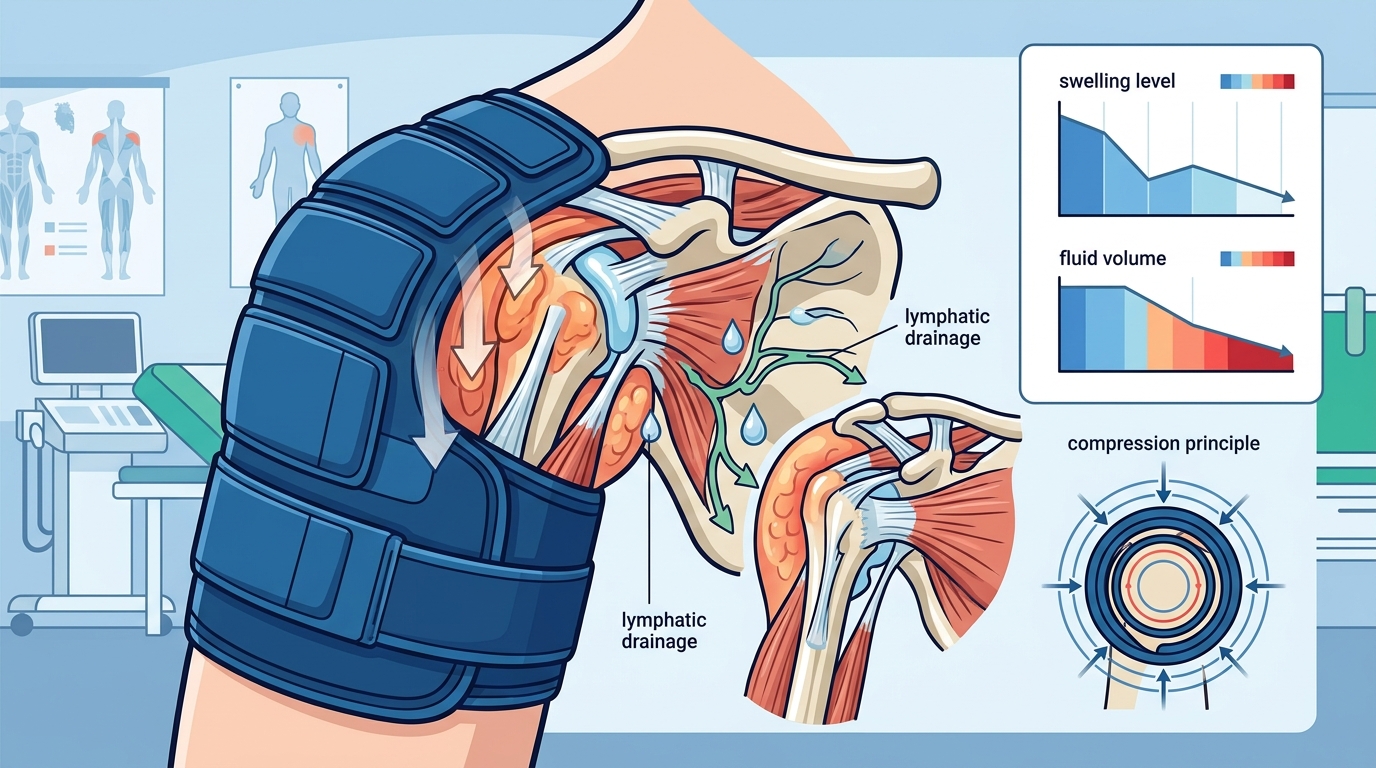
To understand why compression works, we must first define the physiological response to injury. Acute inflammation is the body's immediate immune response to tissue damage. This process involves the release of histamines and other chemicals that cause blood vessels to dilate and become permeable. As a result, fluid leaks into the surrounding tissues, creating edema. This swelling places pressure on nearby nerves, resulting in pain. Compression wraps counteract this by applying external pressure that physically prevents fluid from pooling in the interstitial spaces.
Furthermore, the concept of gate control theory of pain explains how mechanical pressure can interrupt pain signals. When you apply a firm, consistent wrap, the sensory receptors in your skin are stimulated. This stimulation sends non-painful signals to the spinal cord, effectively "closing the gate" to painful signals from the injured shoulder. This dual action of reducing swelling and blocking pain perception makes compression therapy a cornerstone of post-injury care. For more detailed insights into these physiological processes, you can explore the Pain Relief Guide available on our site.
Selecting the Right Wrap
Not all compression devices are created equal. The shoulder is a complex, multi-directional joint that requires a wrap capable of maintaining tension during movement. A standard elastic bandage often slips or loses its compressive force when the arm moves. In contrast, specialized shoulder ice wraps are designed with contoured shapes and secure fastening systems to stay in place. These wraps typically incorporate a pocket for a gel pack, allowing for simultaneous cryotherapy and compression.
When evaluating options, consider the material and the fit. Therapeutic compression is defined as the application of controlled pressure to reduce swelling. The ideal wrap should provide this pressure without cutting off circulation. Look for products that offer adjustable straps, allowing you to customize the tightness based on your comfort level and the stage of your injury. Additionally, the ability to use the wrap for both heat and cold therapy adds significant value. Cold therapy is crucial in the first 48 to 72 hours to reduce inflammation, while heat therapy can be used later to relax tight muscles and improve blood flow. You can browse our full collection of recovery products to find the perfect fit for your needs.
Application and Usage
Proper application is just as important as the product itself. Incorrect wrapping can lead to ineffective treatment or even nerve damage. Start by placing the wrap around the shoulder, ensuring the gel pack pocket is centered over the most painful area. Secure the straps in a cross-hatch pattern if possible, as this provides the most even distribution of pressure. The wrap should feel firm but not painful. If your fingers tingle or turn blue, the wrap is too tight and must be loosened immediately.
Timing is another critical factor. For acute injuries, apply the cold compression for 15 to 20 minutes at a time. Prolonged exposure to cold can cause tissue damage, so always use a barrier between the gel pack and your skin. Repeat this process every two to three hours during the first few days. As the injury heals, you can gradually reduce the frequency of application. Many users find that using the Shoulder Ice Wrap during sleep provides significant overnight relief, allowing for better rest and faster healing. For detailed instructions on using our specific products, visit the Pain Relief Guide.
Product Comparison
Choosing between different types of shoulder compression devices can be confusing. The table below outlines the key differences between our most popular options to help you make an informed decision.
| Product Type | Primary Benefit | Best For | Flexibility |
|---|---|---|---|
| Shoulder Ice Wrap | Simultaneous cold and compression | Acute injuries and post-surgery | High |
| Shoulder Heat Wrap | Muscle relaxation and blood flow | Chronic pain and stiffness | Medium |
| Multi-Purpose Wrap | Versatile application | Minor strains and prevention | Very High |
| Gel Pack Inserts | Reusable cooling element | Use with any wrap | N/A |
Key Takeaways
- Swelling Reduction: Compression physically prevents fluid accumulation, reducing edema by up to 50% in the first 24 hours.
- Pain Management: The gate control theory explains how mechanical pressure blocks pain signals from reaching the brain.
- Product Versatility: Using both heat and cold therapy on the same wrap maximizes recovery outcomes.
- Proper Fit: Adjustable straps are essential for maintaining consistent pressure without compromising circulation.
- Application Timing: Limit cold therapy sessions to 15-20 minutes to prevent tissue damage.
- Brand Trust: Cool Relief has served thousands of customers with a 30-day free return policy.
- Accessibility: Free shipping is available on orders over $35, making recovery more affordable.
Frequently Asked Questions
How long should I wear a shoulder compression wrap?
You should wear the wrap for 15 to 20 minutes at a time, removing it every two to three hours. This allows your skin to return to normal temperature and prevents nerve compression. Always consult your doctor for specific duration recommendations based on your injury.
Can I use the wrap while sleeping?
While some users find relief sleeping with the wrap, it is generally recommended to remove it to ensure proper circulation. If you choose to wear it overnight, ensure it is not too tight and monitor for any signs of discomfort or numbness.
What is the difference between ice and heat therapy?
Ice therapy reduces inflammation and numbs pain, making it ideal for acute injuries. Heat therapy increases blood flow and relaxes muscles, which is better for chronic stiffness. Our wraps are designed to accommodate both gel packs for maximum versatility.
How do I clean the shoulder wrap?
Most Cool Relief wraps are machine washable on a gentle cycle. Always remove the gel pack before washing. Air drying is recommended to preserve the integrity of the fabric and the fastening straps.
Is compression therapy safe for everyone?
Compression is generally safe, but individuals with circulatory issues, diabetes, or nerve damage should consult a healthcare provider before use. If you experience increased pain, numbness, or discoloration, remove the wrap immediately.
Can I use the wrap for both shoulder and other injuries?
Yes, our multi-purpose wraps are designed to fit various body parts, including the knee, hip, and ankle. However, specialized shoulder wraps provide better contouring and support for the complex shoulder joint.
What is the return policy for Cool Relief products?
Cool Relief offers a 30-day free return policy. If you are not satisfied with your purchase, you can return the product for a full refund. Visit our Shipping and Returns page for more details.
Start Your Recovery
Recovering from a shoulder injury requires patience, but the right tools can significantly speed up the process. By using measurable pain and swelling reduction techniques, you can minimize downtime and return to your daily activities with confidence. Cool Relief offers premium ice packs and reusable ice wraps designed to provide the exact compression and cold therapy you need. Explore our Shoulder Ice Wraps today and take the first step toward a faster recovery. With free shipping on orders over $35 and a 30-day return policy, there is no risk in trying our products. Visit our homepage to browse the full catalog and find the perfect solution for your pain.