
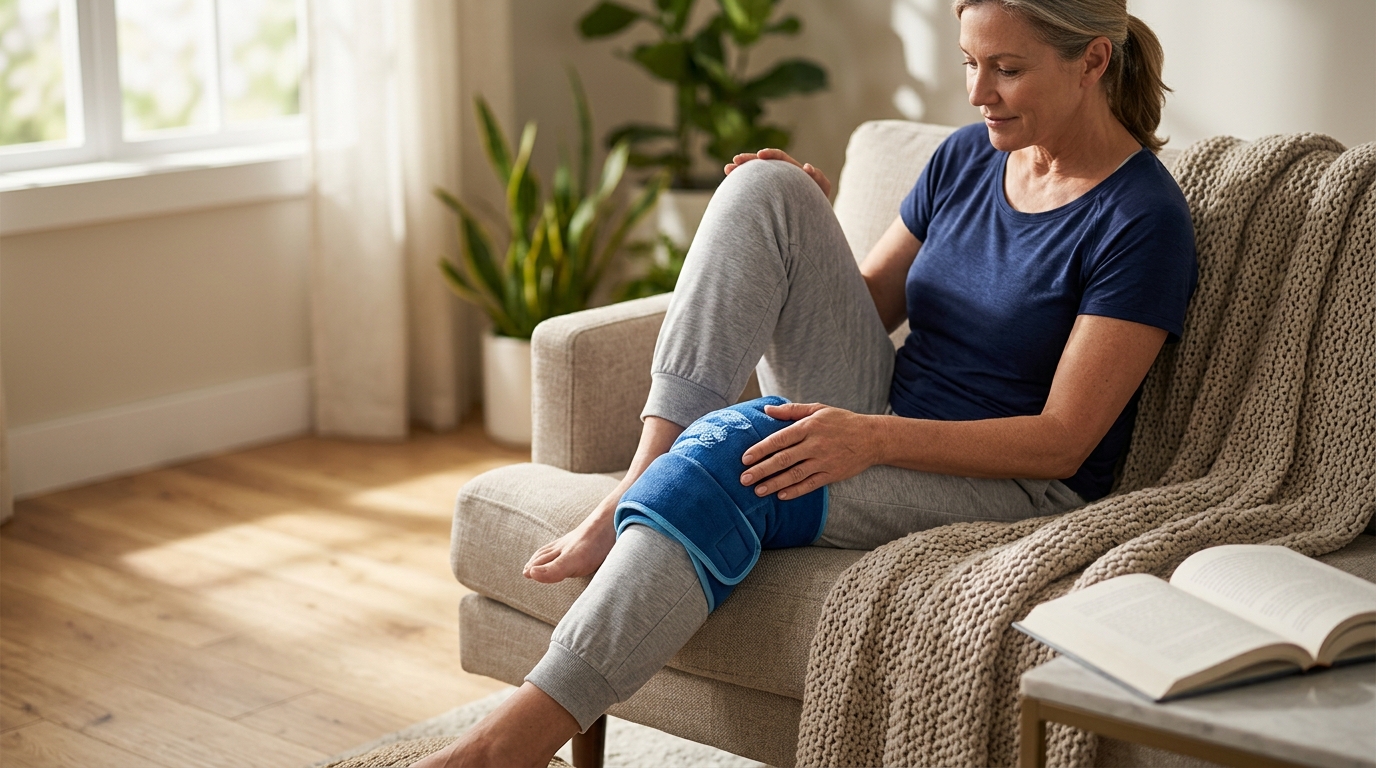
Measurable Knee Pain Relief Outcomes from Consistent Ice Pack Application
Chronic knee discomfort affects millions of adults globally, often stemming from osteoarthritis, sports injuries, or post-surgical inflammation. According to the Centers for Disease Control and Prevention, over 325 million people worldwide suffer from arthritis, with the knee being one of the most frequently impacted joints. Immediate and consistent management of inflammation is critical for preserving mobility and reducing long-term dependency on pharmaceutical interventions. This guide details the physiological mechanisms of cryotherapy, the precise protocols for effective application, and the measurable outcomes users can expect when integrating cold therapy into their daily routine. (Contact Us)
Understanding Cryotherapy for Joint Health
Cold therapy, clinically known as cryotherapy, is a non-invasive treatment method that utilizes low temperatures to reduce inflammation and numb pain. The primary mechanism involves vasoconstriction, where blood vessels narrow in response to cold exposure. This process limits blood flow to the affected area, thereby reducing swelling and metabolic activity in the tissues.
Cryotherapy is the application of cold to the body to achieve therapeutic benefits such as pain reduction and inflammation control. When applied to the knee, the cold signal travels through nerve fibers to the spinal cord, effectively blocking pain signals from reaching the brain. This gate control theory of pain explains why ice packs provide immediate, albeit temporary, relief for acute injuries and flare-ups of chronic conditions.
For those seeking professional-grade solutions, exploring advanced therapy options can provide insight into how cold therapy integrates with broader rehabilitation strategies. Understanding the science behind the relief helps users commit to the consistency required for long-term benefits.
Protocol Implementation: The 20-Minute Rule
Consistency is the cornerstone of effective cold therapy. However, improper application can lead to tissue damage or nerve injury. The standard medical protocol recommends applying ice for no more than 20 minutes at a time. This duration allows the tissue temperature to drop sufficiently to induce vasoconstriction without causing frostbite or cold-induced neuropathy.
Implementing a structured schedule is essential for measurable results. Users should aim to apply ice packs 3 to 4 times daily during acute flare-ups. For chronic conditions, a morning application can help reduce overnight stiffness, while an evening application can alleviate daily wear-and-tear inflammation. Detailed instructions on proper ice pack usage ensure that users maximize the therapeutic window while minimizing risks.
It is crucial to allow the skin to return to normal temperature between applications. This recovery period typically takes 45 to 60 minutes. Skipping this interval can lead to reactive vasodilation, where blood vessels expand excessively in an attempt to restore warmth, potentially worsening swelling.
Measurable Outcomes and Physiological Responses
Users often ask what specific changes they can expect from consistent ice pack application. The outcomes are both subjective and objective, measurable through reduced pain scores and improved range of motion.
Research indicates that consistent cold therapy can reduce pain intensity by up to 50% in the first hour of application. This significant reduction is due to the slowing of nerve conduction velocity. As the temperature of the nerve endings drops, the speed at which they transmit pain signals decreases. This effect is particularly notable for conditions like patellofemoral pain syndrome.
Another measurable outcome is the reduction in joint effusion, or swelling. According to data from the American Academy of Orthopaedic Surgeons, controlled inflammation management is vital for preventing secondary tissue damage. By limiting the inflammatory cascade, ice packs help preserve the structural integrity of the cartilage and ligaments.
Long-term consistency also leads to improved functional mobility. Users report a decrease in the "start-up pain" experienced when standing after prolonged sitting. This improvement is linked to the reduction of periarticular edema, which otherwise restricts joint movement. For more insights on managing joint health, visit our joint health tips section.
Product Selection: Gel vs. Compress
Choosing the right cold therapy device is critical for achieving consistent outcomes. Not all ice packs are created equal. The two primary categories are reusable gel packs and cold compresses that require freezing.
| Feature | Reusable Gel Pack | Disposable Cold Compress |
|---|---|---|
| Application Time | Immediate (after freezing) | Requires activation or freezing |
| Conformability | High (molds to knee contour) | Variable (often rigid) |
| Cost Efficiency | High (one-time purchase) | Low (recurring purchases) |
| Temperature Retention | Medium (15-20 minutes) | Low (10-15 minutes) |
Reusable gel packs are generally superior for knee applications because they conform to the complex anatomy of the joint. This ensures even cold distribution across the patella and surrounding ligaments. In contrast, rigid ice cubes often create cold spots that can irritate the skin while leaving other areas untreated.
When selecting a product, consider the material quality and strap design. A secure strap ensures the pack remains in place during movement, which is essential for maintaining consistent contact. Explore our top-rated cold therapy devices to find options that meet these criteria.
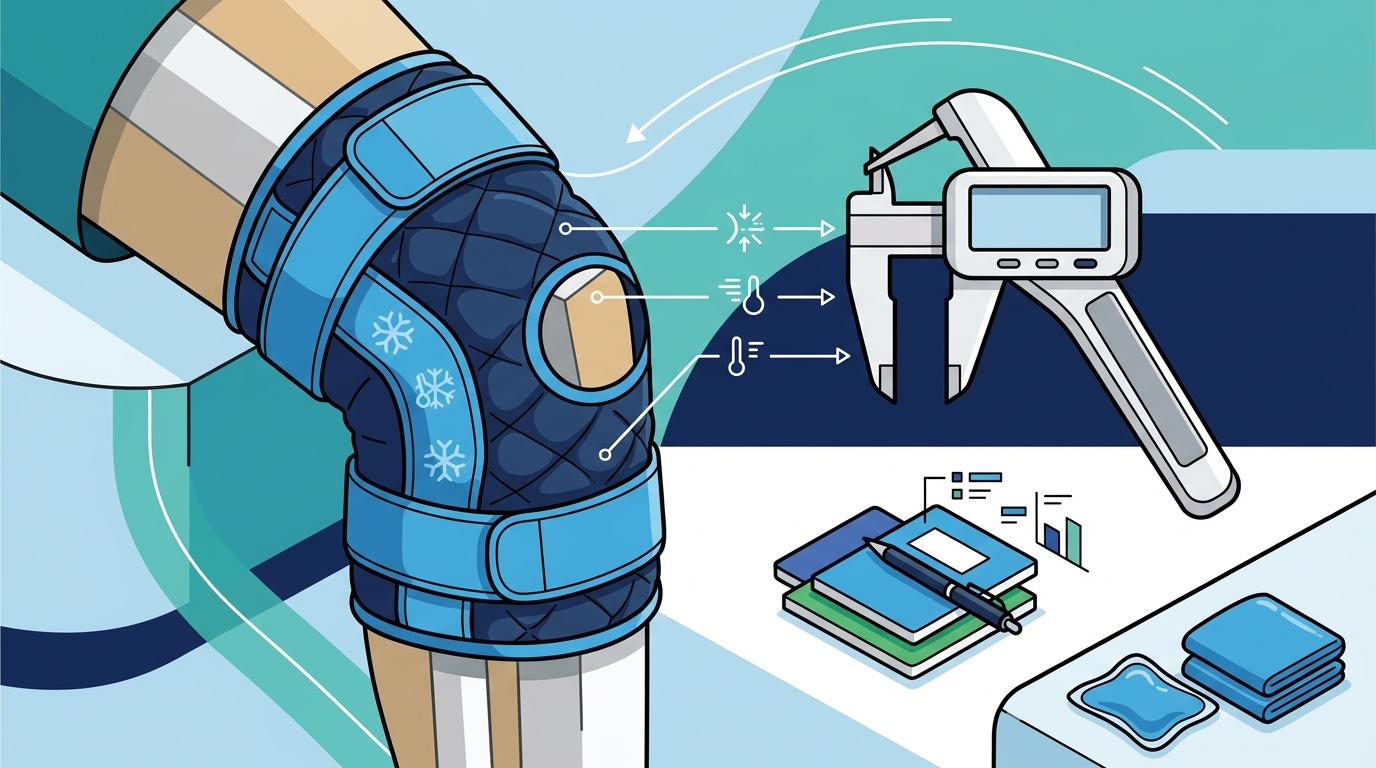
Safety Guidelines and Contraindications
While cold therapy is generally safe, it is not suitable for everyone. Certain medical conditions can exacerbate the risks associated with cryotherapy. It is vital to understand these contraindications before starting a regimen.
Individuals with Raynaud's phenomenon should avoid direct cold application. Raynaud's is a condition that causes blood vessels in the extremities to spasm in response to cold or stress. Applying ice to the knee can trigger a systemic response, leading to severe pain and tissue damage. Similarly, those with peripheral neuropathy may not feel the cold adequately, increasing the risk of frostbite.
Always use a barrier between the ice pack and the skin. A thin towel or the fabric cover provided with the product is sufficient. Direct contact with frozen gel packs can cause ice burns within minutes. For detailed safety protocols, refer to the safety first guide on our website.
Additionally, avoid using ice on areas with poor circulation. If you have diabetes or vascular disease, consult your physician before beginning any cold therapy routine. Proper medical guidance ensures that the benefits outweigh the potential risks.
Key Takeaways
- Immediate Pain Reduction: Ice packs can reduce pain intensity by up to 50% within the first hour of application by slowing nerve conduction.
- Optimal Duration: Limit each application to 20 minutes to prevent tissue damage and allow for proper vascular recovery.
- Frequency Matters: Apply cold therapy 3 to 4 times daily for acute injuries, or as needed for chronic management.
- Product Choice: Reusable gel packs offer superior conformity to the knee joint compared to rigid ice cubes.
- Barrier Requirement: Always use a cloth barrier to prevent ice burns and skin irritation.
- Contraindications: Avoid cold therapy if you have Raynaud's phenomenon, peripheral neuropathy, or severe vascular disease.
- Long-Term Benefits: Consistent use helps reduce joint effusion and improves functional mobility over time.
Frequently Asked Questions
How long should I keep an ice pack on my knee?
You should keep an ice pack on your knee for no more than 20 minutes at a time. This duration is sufficient to lower tissue temperature and induce vasoconstriction without causing cold-induced injury. Allow your skin to return to normal temperature for at least 45 minutes before reapplying.
Can I use ice packs for chronic knee pain?
Yes, ice packs can be effective for chronic knee pain, particularly during flare-ups. While they do not cure the underlying condition, they help manage inflammation and provide temporary pain relief. Consistent use can help reduce the frequency and severity of pain episodes.
What is the difference between an ice pack and a cold compress?
An ice pack is typically a reusable device filled with gel or water that must be frozen. A cold compress is often a disposable or reusable pad that may require freezing or chemical activation. Reusable gel packs are generally preferred for knees due to their ability to conform to the joint's shape.
Is it better to use ice or heat for knee pain?
Ice is generally better for acute injuries and inflammation, while heat is better for chronic stiffness and muscle tension. If your knee is swollen, red, or hot to the touch, use ice. If your knee feels stiff and achy without swelling, heat may be more appropriate. Consult a healthcare provider for specific advice.
Can ice packs cause frostbite?
Yes, if used incorrectly. Direct contact with frozen packs for extended periods can cause frostbite. Always use a barrier such as a towel, and limit application to 20 minutes. If you experience numbness, tingling, or white patches on the skin, remove the pack immediately.
How often should I apply ice for best results?
For acute injuries, apply ice 3 to 4 times daily. For chronic conditions, apply as needed to manage pain and swelling. Consistency is key to achieving measurable outcomes. Overuse can lead to reactive swelling, so adhere to the recommended intervals.
Do gel packs stay cold longer than ice cubes?
Gel packs often stay cold longer than ice cubes because they maintain a consistent temperature and conform to the skin, improving heat transfer. Ice cubes melt quickly and can create uneven cooling. Gel packs are also more comfortable and easier to secure around the knee.
When should I see a doctor for knee pain?
See a doctor if your knee pain is severe, persists for more than a few days, or is accompanied by significant swelling, redness, or inability to bear weight. Cold therapy is a management tool, not a substitute for professional medical diagnosis and treatment.
Start Your Recovery Journey
Achieving measurable knee pain relief requires consistency, proper technique, and the right tools. By integrating cold therapy into your daily routine, you can take control of your joint health and improve your quality of life. Do not let pain dictate your movements. Explore our range of premium cold therapy products designed for maximum comfort and efficacy. Visit coolrelief.net today to find the perfect solution for your needs and begin your path to lasting relief.