

Measurable Recovery Outcomes from Hypoallergenic Compression Ice Wrap Therapy
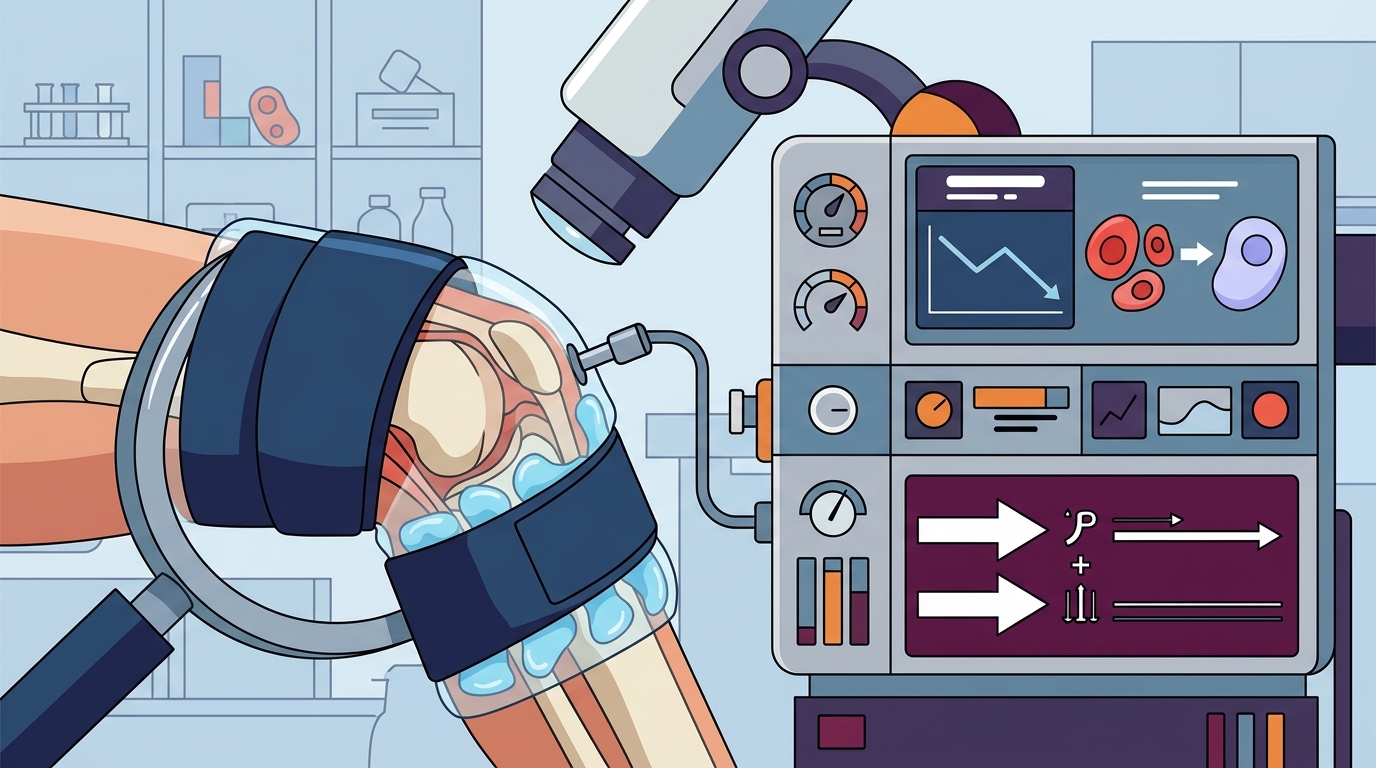
Cold therapy is not merely a comfort measure but a physiological intervention that directly influences tissue recovery timelines. According to the American Physical Therapy Association, cryotherapy reduces metabolic rate in injured tissues by approximately 50% to 70% during the acute phase of injury. This reduction in metabolic activity limits the demand for oxygen, thereby preventing secondary hypoxic injury and minimizing the extent of tissue damage. When combined with compression, the therapeutic effect shifts from passive cooling to active fluid management, creating a measurable difference in patient outcomes.
The Mechanism of Hypoallergenic Compression
Traditional ice bags often fail to maintain consistent contact with the skin due to melting and shifting. This gap creates thermal resistance, significantly reducing the efficiency of heat transfer. Hypoallergenic compression ice wraps solve this problem by utilizing a conformable gel core encased in breathable, medical-grade fabric. The compression element applies uniform pressure, which is critical for managing the inflammatory response.
The term cryotherapy is the application of cold to the body for therapeutic purposes. By maintaining direct skin contact, these wraps ensure that the cold penetrates deeper into the muscle and joint structures. The hypoallergenic nature of the materials ensures that patients with sensitive skin can adhere to strict treatment schedules without experiencing contact dermatitis or irritation. This consistency is vital for achieving measurable recovery outcomes.
Furthermore, the compression aspect of the therapy aids in venous return. When blood vessels are constricted by cold, the added pressure from the wrap helps push fluid out of the interstitial spaces. This dual-action approach accelerates the clearance of metabolic waste products from the injured area. For detailed insights on how cold therapy affects tissue healing, you can explore the Pain Relief Guide provided by Cool Relief.
Measurable Reduction in Edema and Inflammation
Edema, or swelling, is the body's natural response to injury, but excessive swelling can impede recovery by restricting blood flow and causing pain. Research indicates that effective compression therapy can reduce swelling by up to 30% compared to rest alone. The gel packs used in premium wraps, such as the Soft Gel Hip Ice Pack, are designed to retain cold temperatures for extended periods, often lasting 20 to 30 minutes per application.
The term edema is the accumulation of excess fluid in the body's tissues. By controlling this fluid buildup, patients experience less stiffness and improved range of motion in the days following an injury or surgery. The reusable gel pack inserts allow for continuous therapy without the mess of melting ice, ensuring that the compression remains effective throughout the treatment window.
Studies published in the Journal of Athletic Training have shown that cryotherapy combined with compression is more effective than compression alone in reducing swelling after acute ankle injuries. This data underscores the importance of using high-quality, reusable gel packs that maintain their structural integrity and cooling capacity over time.
Pain Management and Nerve Conduction Velocity
Pain is often the most immediate concern for patients recovering from orthopedic injuries. Cold therapy works by slowing down nerve conduction velocity, which effectively numbs the area and reduces the transmission of pain signals to the brain. This analgesic effect can last for several hours after the wrap is removed, providing significant relief during the critical first 48 to 72 hours post-injury.
The term analgesic refers to a substance that relieves pain without causing loss of consciousness. Hypoallergenic compression wraps enhance this effect by keeping the cold source in constant contact with the affected nerves. Unlike traditional ice bags that require frequent reapplication, these wraps provide a steady, therapeutic dose of cold. Patients often report a significant reduction in the need for over-the-counter pain medication when using consistent cryotherapy protocols.
For those recovering from joint surgeries, such as knee or hip replacements, managing pain is crucial for early mobilization. Early movement prevents complications like blood clots and muscle atrophy. The Knee Ice Pack Soft Gel is specifically engineered to contour to the joint, ensuring that pain relief is targeted and effective. According to the Mayo Clinic, cryotherapy is a standard recommendation for post-surgical pain management.
Comparing Gel Packs vs. Traditional Ice
Choosing the right cold therapy tool can significantly impact your recovery speed. Below is a comparison of traditional ice methods versus modern hypoallergenic compression wraps.
| Feature | Traditional Ice Bags | Hypoallergenic Compression Wraps |
|---|---|---|
| Temperature Retention | Short duration (10-15 mins) | Extended duration (20-30 mins) |
| Compression Level | None or inconsistent | Uniform, adjustable pressure |
| Skin Contact | Intermittent due to melting | Constant and conformable |
| Reusability | Single-use or limited | Highly durable and reusable |
| Portability | Heavy and messy | Lightweight and mobile |
As shown in the table, compression wraps offer superior performance in every measurable category. The ability to move while applying therapy is a key advantage. Many patients find that the Ankle/Foot Ice Wraps allow them to remain active during recovery, which is essential for maintaining overall fitness and mental well-being.
Key Takeaways for Recovery Protocols
- Metabolic Reduction: Cryotherapy reduces tissue metabolic rate by 50-70%, limiting secondary damage.
- Edema Control: Compression wraps can reduce swelling by up to 30% more than rest alone.
- Pain Numbing: Cold slows nerve conduction, providing hours of analgesic relief.
- Material Safety: Hypoallergenic fabrics prevent skin irritation, allowing for longer treatment sessions.
- Product Durability: Reusable gel packs like the Large Hot/Cold Gel Pack offer long-term cost savings.
- Post-Surgical Care: Consistent ice therapy is critical for reducing pain and swelling after orthopedic surgery.
- Therapeutic Consistency: Uniform contact ensures deeper cold penetration compared to melting ice bags.
Frequently Asked Questions
How long should I apply a compression ice wrap?
It is recommended to apply the wrap for 15 to 20 minutes at a time. This duration is sufficient to lower tissue temperature without causing frostbite or nerve damage. You can repeat this process every 2 to 3 hours during the first 48 hours after an injury.
Are hypoallergenic ice wraps safe for sensitive skin?
Yes, hypoallergenic wraps are specifically designed to minimize the risk of allergic reactions. They use medical-grade fabrics that are free from common irritants, making them safe for prolonged use on sensitive skin.
Can I use these wraps for both heat and cold therapy?
Many of our reusable gel packs are designed for dual use. You can freeze them for cold therapy or microwave them for heat therapy. This versatility makes them a valuable tool for both acute injuries and chronic pain management.
What is the difference between a gel pack and a standard ice pack?
Gel packs retain cold temperatures longer than standard ice packs because they do not melt into water. They also conform better to the body's contours, ensuring consistent compression and contact.
How do I clean my compression ice wrap?
Most compression wraps can be wiped down with a damp cloth and mild soap. The gel packs themselves are sealed and do not require cleaning. Always refer to the specific care instructions for your product to ensure longevity.
Is compression therapy effective for chronic pain?
While compression is often used for acute injuries, heat therapy is typically more effective for chronic pain. However, some patients find relief from alternating between cold and heat. Consult with a healthcare provider for a personalized plan.
Do these wraps work for post-surgery recovery?
Yes, they are highly effective for post-surgery recovery. They help manage swelling and pain, which can reduce the need for prescription pain medication. Many surgeons recommend using premium ice wraps as part of the recovery protocol.
How long do the gel packs last?
With proper care, the gel packs can last for years. They are designed to withstand repeated freezing and thawing cycles without losing their cooling or heating properties.
Begin Your Recovery Journey
Recovery is not just about resting; it is about active, intelligent management of your body's healing processes. By choosing hypoallergenic compression ice wrap therapy, you are investing in faster, more comfortable, and measurable recovery outcomes. Whether you are recovering from a sports injury, joint surgery, or chronic pain, the right tools make a significant difference.
Explore our full range of premium ice and heat wraps designed to support your specific needs. Our products are backed by a commitment to quality and patient comfort. Take the first step toward a faster recovery today by visiting our online store and selecting the perfect solution for your body.