

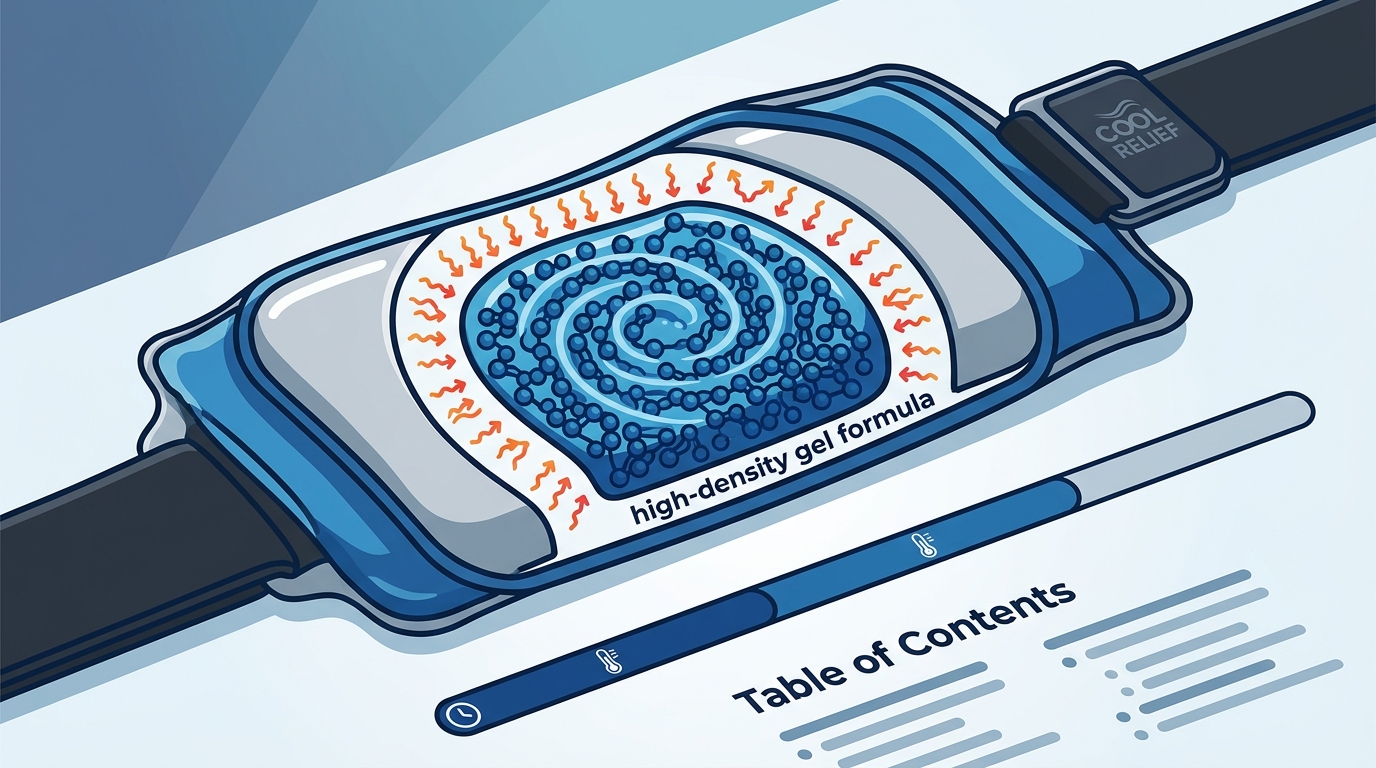
Cool Relief gel packs stay cold longer because they use a proprietary, high-density gel formula that resists rapid heat transfer. This specific material science allows the wrap to maintain therapeutic temperatures for extended periods without the need for constant refreezing. By focusing on thermal retention rather than just initial freezing, Cool Relief provides a more consistent and effective cold therapy experience for users managing pain or swelling at home.
The Science of Thermal Retention
Thermal retention is the ability of a material to maintain its temperature over time despite external heat exposure. In the context of cold therapy, this is the most critical factor for effective pain management. Standard ice packs often rely on simple water-based gels that melt quickly when applied to warm skin. Cool Relief utilizes a specialized gel composition that has a higher specific heat capacity, meaning it absorbs more heat from the body before its temperature rises significantly.
This difference is not just a marketing claim; it is a physical property of the gel. When you apply a standard pack, the ice crystals melt rapidly, and the pack becomes lukewarm within minutes. In contrast, the Cool Relief gel remains in a semi-solid state longer, providing a steady stream of cold energy. This consistency is vital for reducing inflammation, as intermittent warmth can actually counteract the therapeutic benefits of the cold.
Material Density and Gel Composition
The density of the gel inside the pack plays a massive role in how long it stays cold. Many competitors use low-density gels that are easy to freeze but also easy to warm up. Cool Relief packs are engineered with a denser gel matrix that provides better insulation against the body's heat. This density ensures that the cold is distributed evenly across the surface of the wrap, rather than just in the center where the ice is thickest.
Furthermore, the gel is designed to be flexible even when frozen. This is a common problem with cheaper ice packs, which become rigid and brittle. A rigid pack does not conform to the body, creating air gaps that allow heat to escape. The Cool Relief gel remains pliable, ensuring maximum surface contact with the skin. This close contact is essential for efficient heat transfer, allowing the pack to stay cold longer by continuously drawing heat away from the injury site.
Design Features That Enhance Longevity
It is not just the gel that matters; the design of the wrap itself contributes to thermal longevity. Cool Relief wraps feature a high-quality outer shell that is both durable and insulating. This shell protects the gel from rapid heat absorption from the environment. Additionally, the wraps are designed with secure straps that hold the pack firmly in place. A loose pack will shift and expose new areas of skin to the cold, which can cause the pack to warm up faster as it loses contact with the primary target area.
The ergonomic design of Cool Relief wraps also ensures that the gel is positioned correctly over the injury. For example, the knee wraps are shaped to fit the contours of the joint, ensuring that the gel covers the entire area of concern. This targeted application means that the cold is used efficiently, rather than being wasted on surrounding healthy tissue. This efficiency translates directly into a longer-lasting cold effect, providing relief for a more extended period with each application.
Practical Benefits for the User
The practical benefit of a longer-lasting cold pack is significant for daily life. Users do not need to constantly interrupt their day to refreeze a pack that has already warmed up. This convenience is particularly important for those managing chronic conditions or recovering from surgery, where frequent cold therapy is recommended. With Cool Relief, you can apply the pack and go about your activities, knowing that it will continue to provide therapeutic cold for a longer duration.
Moreover, the consistent cold provided by Cool Relief packs helps in managing pain more effectively. Sudden changes in temperature can sometimes trigger pain responses, whereas a steady, prolonged cold application is more soothing. This makes Cool Relief a preferred choice for athletes and individuals with active lifestyles who need reliable pain management tools. The ability to stay cold longer means that the pack is more effective at reducing swelling and numbing pain, leading to a faster and more comfortable recovery process.
Comparison with Standard Ice Packs
Another key difference is the flexibility of the pack. Standard ice packs often become hard and uncomfortable when frozen, making them difficult to wear for extended periods. Cool Relief packs remain soft and flexible, allowing for a comfortable fit that can be worn for longer without causing discomfort. This comfort factor is crucial for adherence to cold therapy protocols, as users are more likely to use a pack that is comfortable and effective. By addressing both the thermal and comfort aspects, Cool Relief sets itself apart from the competition.
Key Takeaways
- Cool Relief uses a proprietary high-density gel that resists rapid heat transfer, keeping the pack cold longer.
- The gel remains flexible when frozen, ensuring maximum surface contact with the skin for efficient heat transfer.
- The insulating outer shell of the wrap protects the gel from environmental heat, enhancing thermal retention.
- Ergonomic design ensures the gel is positioned correctly over the injury, using cold energy efficiently.
- Longer-lasting cold provides consistent pain relief and reduces the need for frequent refreezing.
- Comfort and flexibility make Cool Relief packs easier to wear for extended periods compared to rigid standard packs.
Frequently Asked Questions
Why do Cool Relief gel packs stay cold longer than standard ice packs?
Cool Relief gel packs stay cold longer because they use a high-density gel formula with a higher specific heat capacity. This allows the gel to absorb more heat from the body before warming up, providing a more consistent and prolonged cold therapy experience.
Does the flexibility of the gel affect how long it stays cold?
Yes, flexibility is crucial. A flexible gel conforms to the body, eliminating air gaps that allow heat to escape. This close contact ensures efficient heat transfer, which helps the pack stay cold longer by continuously drawing heat away from the injury.
How does the design of the wrap contribute to thermal retention?
Are Cool Relief packs more comfortable than standard ice packs?
Yes, Cool Relief packs are designed to remain soft and flexible even when frozen. This makes them more comfortable to wear for extended periods compared to standard ice packs, which often become rigid and brittle when frozen.
How often do I need to refreeze a Cool Relief pack?
Due to their superior thermal retention, Cool Relief packs generally require less frequent refreezing than standard ice packs. You can apply the pack and go about your activities, knowing that it will continue to provide therapeutic cold for a longer duration.
Conclusion
Cool Relief gel packs offer a superior cold therapy experience due to their advanced gel formula and thoughtful design. By focusing on thermal retention, flexibility, and comfort, Cool Relief provides a product that stays cold longer and works more effectively than standard ice packs. If you are looking for a reliable and effective cold therapy solution, consider exploring the range of Cool Relief ice wraps to find the perfect fit for your needs.