

Cool Relief gel packs stay cold longer because they use high-density, non-toxic gel formulations inside flexible, segmented inserts. This design maximizes surface area contact while minimizing heat transfer from the environment. The result is consistent therapeutic cooling that outlasts standard ice cubes or rigid plastic packs.
The Science of Gel Density and Heat Transfer
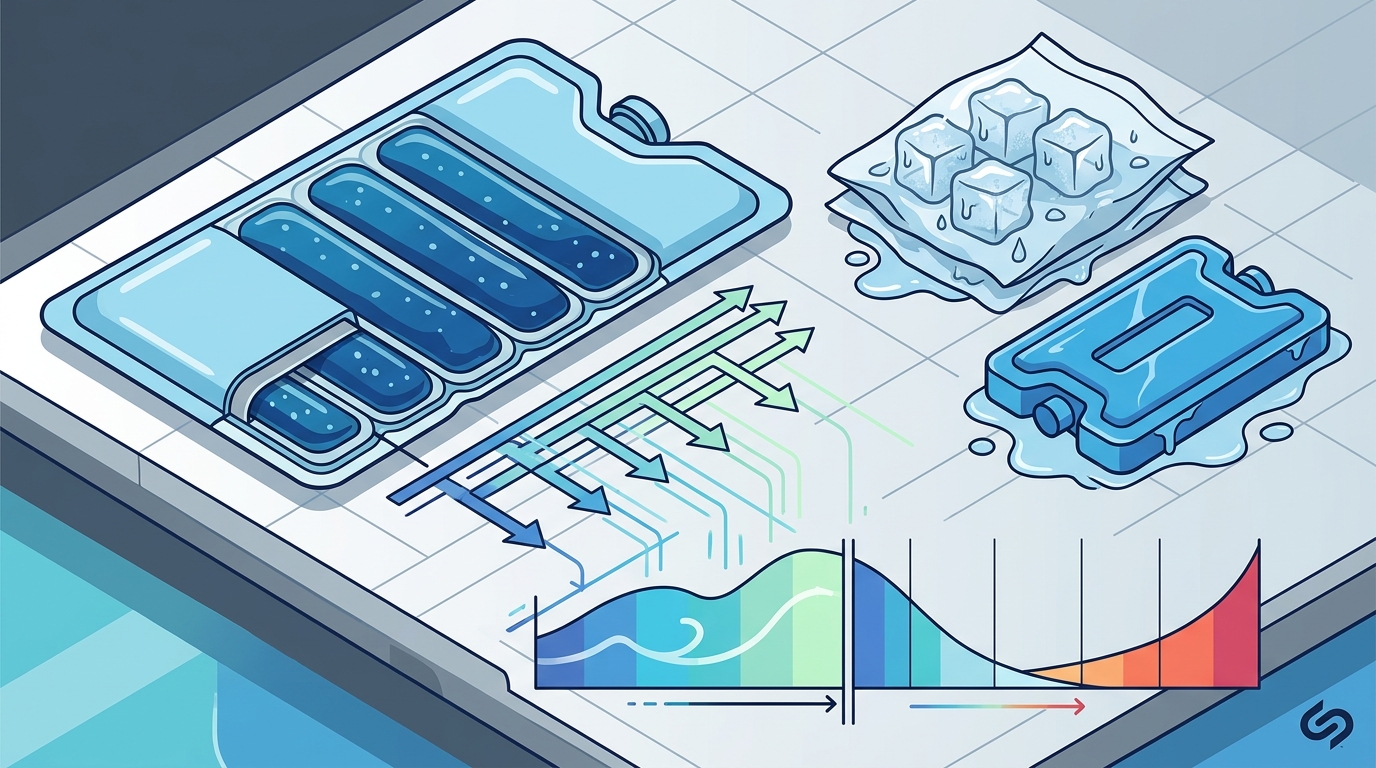
The primary factor in cooling duration is the specific heat capacity of the medium. Gel is a semi-solid substance that holds a significant amount of thermal energy. When a gel pack freezes, the water molecules in the gel align into a crystalline structure. As this structure melts, it absorbs heat from the surrounding tissue at a steady rate. This phase change process is far more efficient than the rapid melting of loose ice cubes, which lose their structural integrity and cooling power quickly. By using a dense gel matrix, Cool Relief ensures that the pack maintains a stable temperature profile throughout the session.
Segmented Insert Design
Cool Relief utilizes segmented ice inserts rather than a single solid block. This segmentation allows the pack to conform to the body's contours. Better conformity means less air gap between the pack and the skin. Air is a poor conductor of heat, so eliminating air pockets ensures that the cold energy is transferred directly to the affected area. This design choice is a key differentiator from competitors who use single, rigid blocks that leave gaps on curved joints like the knee or ankle.
Material Flexibility and Surface Contact
Flexibility is not just a comfort feature; it is a performance feature. A rigid ice pack cannot wrap around a joint effectively. When a pack does not make full contact with the skin, the cooling effect is diluted. Cool Relief packs are designed to be soft and pliable, even when frozen. This flexibility allows the pack to hug the body part tightly. The increased surface area contact accelerates the transfer of cold energy into the tissue. This means the pack works harder and more efficiently, extending its effective therapeutic window.
Comparison to Rigid Alternatives
Many competitor brands use rigid plastic shells. While these may feel sturdy, they often create pressure points and fail to cover the entire injury site. The lack of full coverage means that some areas of the injury receive less cooling than others. This uneven distribution can lead to inconsistent pain relief. Cool Relief's soft gel approach ensures uniform cooling across the entire treatment area, which is critical for effective recovery.
Insulation and Barrier Protection
The outer shell of an ice pack plays a crucial role in how long it stays cold. Cool Relief wraps feature a premium micro-mesh compression sleeve. This sleeve provides a layer of insulation that slows down the rate at which the gel absorbs heat from the environment. It also protects the skin from direct contact with the frozen gel, which can cause frostbite if applied for too long. The insulation layer acts as a thermal buffer, allowing the gel to release its cold energy gradually rather than all at once. This controlled release extends the usable life of the pack during a single session.
The Role of Compression
Compression is another key component of Cool Relief's design. The wraps apply gentle pressure to the injured area. This pressure helps to reduce swelling, which is a major source of pain. By combining cold therapy with compression, the pack addresses two aspects of injury recovery simultaneously. The compression sleeve also helps to keep the gel insert in place, ensuring consistent contact throughout the session. This dual function makes the pack more effective than a simple ice bag, which provides cooling but no structural support.
Longevity and Reusability
Another advantage of Cool Relief packs is their durability. The gel inserts are designed to withstand repeated freezing and thawing cycles without degrading. Over time, the gel in lower-quality packs can become lumpy or leak. This degradation reduces the pack's ability to hold cold. Cool Relief uses high-quality, non-toxic gel that maintains its consistency over hundreds of uses. This longevity means that the pack performs just as well on the 100th use as it did on the first. For users who need daily cold therapy, this durability is a significant benefit.
Replacement Inserts
Cool Relief also offers replacement gel inserts. This allows users to swap out inserts when they are not in use. By keeping one insert in the freezer while using another, users can ensure continuous cooling without waiting for a pack to refreeze. This system is particularly useful for athletes or individuals with chronic pain who need frequent therapy sessions. The ability to have a backup insert ready ensures that the user is never without cold therapy when they need it most.
Key Takeaways
- Cool Relief gel packs use high-density gel for efficient heat absorption.
- Segmented inserts conform to the body, maximizing surface contact.
- Flexible materials ensure uniform cooling across curved joints.
- Insulating sleeves slow heat transfer, extending cooling duration.
- Compression sleeves provide dual benefits of cooling and swelling reduction.
- Durable gel inserts maintain performance over hundreds of uses.
- Replacement inserts allow for continuous therapy without waiting to refreeze.
Frequently Asked Questions
How long do Cool Relief gel packs stay cold?
Cool Relief gel packs typically stay cold for 15 to 20 minutes per session. The exact duration depends on the size of the pack and the body part being treated. Larger packs may last slightly longer, while smaller packs may cool down a bit faster. The segmented design helps maintain consistent cooling throughout the session.
Why do gel packs stay cold longer than ice cubes?
Gel packs stay cold longer because the gel has a higher specific heat capacity than water. The gel absorbs heat more slowly and steadily than ice cubes, which melt quickly and lose their cooling power. The flexible design of gel packs also ensures better contact with the skin, which improves heat transfer efficiency.
Can I use Cool Relief packs for heat therapy?
Yes, many Cool Relief packs are designed for both cold and heat therapy. You can microwave the gel insert for a few seconds to warm it up. Always test the pack on your inner wrist before applying it to ensure it is warm, not hot. The same flexible design that makes them effective for cold therapy also works well for heat therapy.
How do I clean my Cool Relief ice wrap?
The outer compression sleeve is machine-washable. Remove the gel insert and wash the sleeve in cold water on a gentle cycle. Air dry the sleeve completely before reinserting the gel pack. Do not submerge the gel insert in water, as this can damage the seal. Wipe the insert down with a damp cloth if needed.
Are Cool Relief packs FSA or HSA eligible?
Yes, Cool Relief therapeutic ice packs are generally eligible for reimbursement from a Health Care FSA, HSA, or HRA when purchased for a medical purpose. You typically do not need a prescription for over-the-counter cold packs. However, Limited Purpose FSA or Dependent Care FSA plans may not cover them. Check with your plan administrator for specific eligibility rules.
How often should I replace my gel pack insert?
With proper care, Cool Relief gel inserts can last for several years. However, if you notice the gel becoming lumpy, leaking, or losing its ability to stay cold, it is time to replace the insert. Cool Relief offers replacement inserts that are compatible with their wraps. This allows you to extend the life of your wrap while ensuring optimal performance.
Do I need a prescription to buy Cool Relief packs?
No, Cool Relief packs are available for purchase over the counter. You do not need a prescription to buy them. They are designed for home use and are suitable for a wide range of injuries and conditions. If you have a specific medical condition, it is always a good idea to consult with your healthcare provider before starting a new treatment regimen.
Conclusion
Cool Relief gel packs offer superior cooling performance due to their high-density gel, flexible design, and segmented inserts. These features ensure consistent, efficient cooling that outlasts many competitor products. If you are looking for a reliable cold therapy solution, explore the full range of Cool Relief ice wraps to find the perfect fit for your needs.