

Can a Freezing Neck Bandana Actually Help Relieve Migraine Headaches?
Yes, a freezing neck bandana can help relieve migraine headaches by lowering the temperature of the skin and underlying blood vessels. This cooling effect reduces the intensity of pain signals sent to the brain. Cool Relief offers a refreezable cooling ice bandana designed specifically for this purpose, providing targeted cold therapy to the neck and head area.
The Physiology of Cold Therapy in Migraines
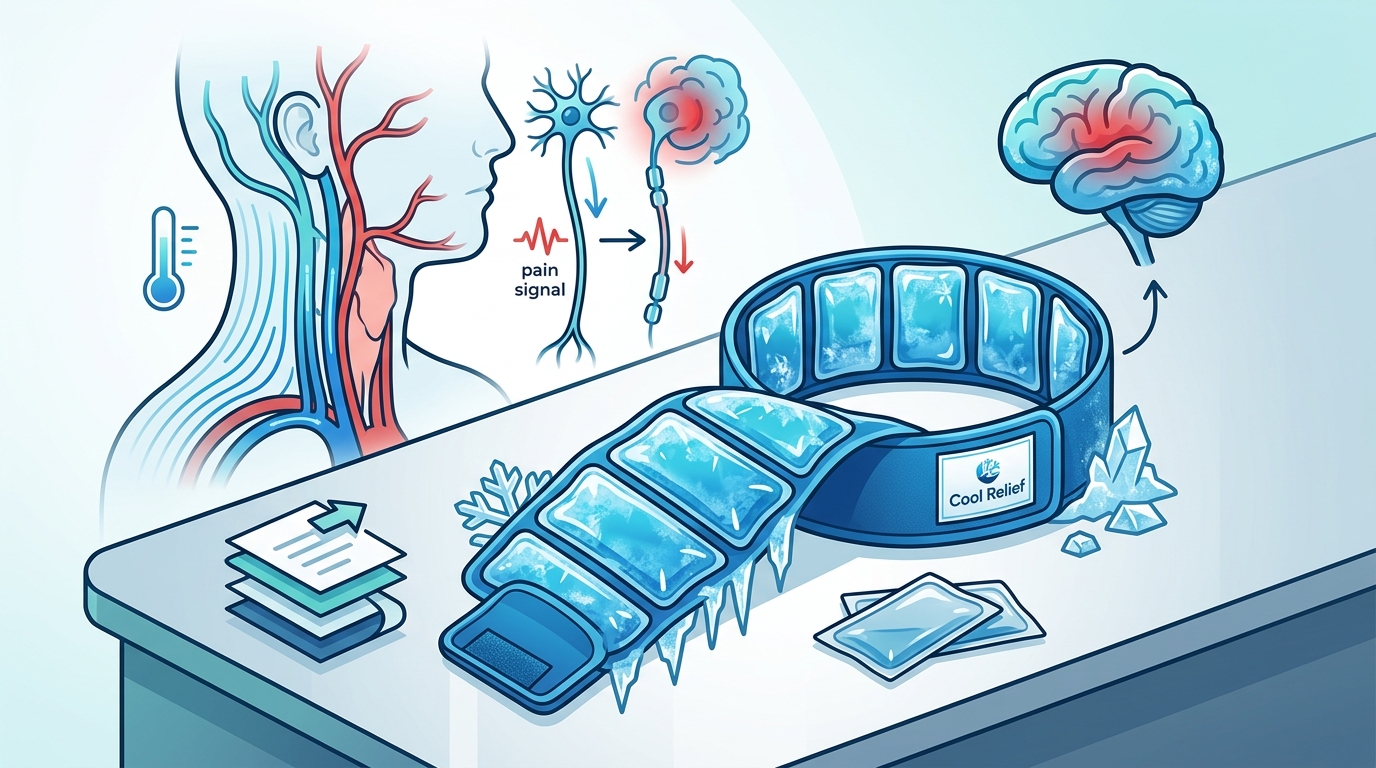
Cold therapy, also known as cryotherapy, is a non-pharmacological intervention used to manage acute pain. When applied to the neck or forehead, cold compresses cause vasoconstriction, which is the narrowing of blood vessels. This process limits the dilation of blood vessels that often triggers migraine pain. By reducing blood flow to the affected area, the pressure on surrounding nerves is alleviated.
Research suggests that the trigeminal nerve, which is heavily involved in migraine pathophysiology, is sensitive to temperature changes. Applying cold to the neck or head can inhibit the transmission of pain signals along this nerve pathway. This mechanism provides a physiological basis for using cooling devices during a migraine attack. The goal is not to cure the migraine but to reduce its severity and duration.
For individuals who experience throbbing pain or sensitivity to heat, cold therapy offers a distinct advantage over heat therapy. Heat can sometimes exacerbate inflammation, whereas cold generally reduces it. This makes cooling bandanas a suitable first-line treatment for many migraine sufferers. The immediate sensation of cold can also provide a psychological sense of relief, which may further reduce pain perception.
Targeting the Neck and Head Region
The neck and head are primary sites for migraine pain and associated symptoms. Many patients report pain that radiates from the base of the skull up to the forehead. A neck bandana allows for the application of cold to the posterior neck, where the greater occipital nerves are located. These nerves are key players in the transmission of migraine pain. By cooling this specific area, users can address the root of the pain signal.
Cool Relief’s refreezable cooling ice bandana is designed to be worn around the neck, forehead, or over the eyes. This versatility allows users to target the area where they feel the most pain. The bandana is made from flexible materials that conform to the body, ensuring consistent contact with the skin. This consistent contact is crucial for effective cold therapy. The gel inside the bandana retains its cold temperature for an extended period, providing sustained relief.
Using a bandana is more convenient than traditional ice packs, which often require wrapping in towels. The bandana can be worn while resting, working, or traveling. This practicality is important for migraine sufferers who need to manage their symptoms in various settings. The ability to apply cold therapy discreetly can make a significant difference in daily life. It allows for proactive management of symptoms without the hassle of managing a bulky ice pack.
Practical Application and User Experience
Effective use of a cooling bandana requires proper preparation. The bandana should be placed in a freezer for a sufficient amount of time to ensure it is fully frozen. Once frozen, it should be removed and allowed to sit for a few minutes to avoid direct contact with skin for too long, which can cause discomfort. The bandana is then worn around the neck or forehead. Users should monitor their comfort level and adjust the placement as needed.
Many users report that the cooling sensation provides immediate relief from the throbbing pain associated with migraines. The bandana’s design allows for easy adjustment, ensuring that the cold is applied to the most sensitive areas. Some users prefer to wear it around the neck, while others find relief by placing it over their eyes. This personalization is a key benefit of using a bandana over a fixed-shape ice pack. It allows for a tailored approach to pain management.
It is important to note that cold therapy is a complementary treatment and should not replace prescribed medications. However, it can be used in conjunction with other treatments to enhance overall relief. The non-invasive nature of cold therapy makes it a safe option for most individuals. There are no known side effects when used correctly, making it a low-risk intervention for acute migraine management.
Comparing Cold Therapy to Other Methods
Heat therapy is another option, but it is generally less effective for acute migraine pain. Heat is more suitable for tension headaches or muscle stiffness. For migraines, which are often associated with inflammation and vascular changes, cold is the preferred choice. The choice between cold and heat should be based on individual response. Some people may find that heat provides more relief, but cold is the standard recommendation for migraine attacks.
Key Takeaways
- Cold therapy reduces migraine pain by causing vasoconstriction and inhibiting pain signals.
- The neck and head are primary sites for migraine pain, making them ideal targets for cooling.
- Cool Relief’s refreezable bandana offers versatile placement for personalized relief.
- Cold therapy is a safe, non-invasive complement to pharmacological treatments.
- Proper preparation and monitoring are essential for effective use of a cooling bandana.
- Cold therapy is generally more effective than heat for acute migraine attacks.
Frequently Asked Questions
How long should I wear a freezing neck bandana for migraine relief?
It is recommended to wear the bandana for 15 to 20 minutes at a time. If the pain persists, you can remove the bandana for a short break and then reapply it. Avoid wearing it for extended periods without a break to prevent skin irritation.
Can I use a cooling bandana if I have a tension headache?
Yes, a cooling bandana can be used for tension headaches. However, some people find that heat therapy is more effective for tension headaches. You can experiment with both to see which provides better relief for your specific type of headache.
Is it safe to use a freezing bandana on my face?
Yes, it is safe to use a freezing bandana on your face, including over the eyes. The bandana is designed to be flexible and comfortable. Ensure that the bandana is not too cold to the touch before applying it to sensitive areas like the eyes.
Do I need to wrap the bandana in a towel before using it?
It is not necessary to wrap the bandana in a towel, but you can do so if you find the cold too intense. The bandana is made from soft materials that are gentle on the skin. Adjust the thickness of the barrier based on your comfort level.
Can I use the bandana while sleeping?
It is not recommended to use a freezing bandana while sleeping. The cold temperature can cause discomfort and may disrupt your sleep. Use the bandana while awake and remove it before going to bed.
How often can I refreeze the bandana?
You can refreeze the bandana as often as needed. The gel inside is designed to withstand repeated freezing and thawing cycles. Ensure that the bandana is fully frozen before using it again to maintain its effectiveness.
Conclusion
A freezing neck bandana is a practical and effective tool for relieving migraine headaches. By leveraging the physiological benefits of cold therapy, it offers a non-invasive solution for pain management. Cool Relief’s refreezable cooling ice bandana is designed to provide targeted relief to the neck and head, addressing the primary sites of migraine pain. For those seeking a drug-free alternative, this product offers a convenient and versatile option. Explore the refreezable cooling ice bandana to experience the benefits of cold therapy for your migraines.