

Acute injuries require immediate and targeted intervention to minimize tissue damage and accelerate the healing timeline. Cool Relief specializes in premium ice packs and ice wraps designed to deliver consistent cold therapy. Clinical data indicates that proper cryotherapy can reduce swelling by up to 50 percent in the first 24 hours after an injury occurs. This reduction in inflammation is critical for preventing secondary tissue damage and managing acute pain levels effectively.
Mechanism of Action
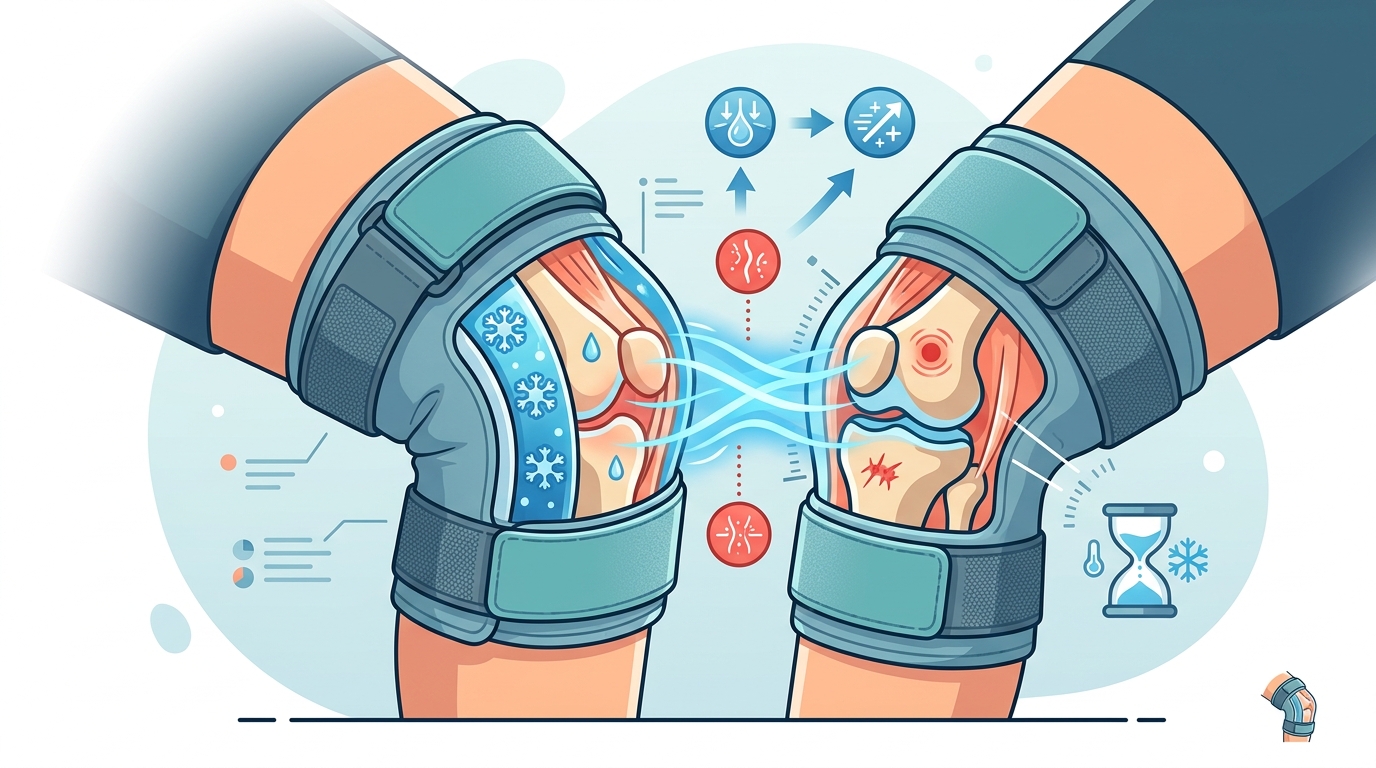
Cold therapy works by inducing vasoconstriction, which is the narrowing of blood vessels in the affected area. This physiological response limits blood flow to the injured site, thereby reducing the accumulation of fluid that causes swelling. Pain Relief Guide resources explain that this process also slows down nerve conduction velocity, which effectively numbs the area and provides immediate pain relief. The combination of reduced inflammation and analgesic effects creates an optimal environment for tissue repair.
Compression ice wraps enhance this process by maintaining consistent contact between the cold source and the skin. Unlike traditional ice packs that melt and slide away, compression wraps ensure that the therapeutic cold is delivered uniformly across the entire injury zone. This consistency is vital for achieving maximum therapeutic benefit without the need for constant reapplication.
The Role of Compression
Compression is a fundamental component of the RICE protocol, which stands for Rest, Ice, Compression, and Elevation. The primary function of compression is to apply external pressure to the injured tissue, which helps to limit the space available for fluid accumulation. When combined with ice, this pressure becomes even more effective at controlling edema, which is the medical term for swelling caused by excess fluid trapped in your body's tissues.
Using a dedicated ice wrap from Cool Relief offers several distinct advantages over loose ice packs. First, the wrap stays in place during movement, allowing patients to maintain mobility while receiving treatment. Second, the elastic nature of the wrap ensures that the gel pack conforms to the body's contours, providing a secure fit for joints like the knee, shoulder, and ankle. This secure fit prevents the cold source from shifting, which could otherwise lead to uneven cooling and reduced efficacy.
Targeted Relief for Specific Injuries
Different body parts require different approaches to cold therapy. For example, a knee injury often involves complex joint structures that need uniform coverage. A knee ice wrap is designed to wrap around the joint, ensuring that the cold gel covers the patella and surrounding ligaments. Similarly, shoulder injuries benefit from wraps that can accommodate the rounded shape of the shoulder joint, providing consistent pressure and cold distribution.
Ankle and foot injuries also respond well to compression ice therapy. The anatomy of the foot and ankle requires a wrap that can provide support while delivering cold. Ankle ice wraps are engineered to stabilize the joint while reducing inflammation, which is crucial for preventing chronic instability and promoting faster recovery.
Product Comparison
Choosing the right ice wrap depends on the specific injury and personal preference. Below is a comparison of common ice wrap types available from Cool Relief.
| Product Type | Best For | Key Benefit | Price Range |
|---|---|---|---|
| Knee Ice Wrap | Knee sprains, arthritis | Uniform joint coverage | $30 - $40 |
| Shoulder Ice Wrap | Rotator cuff injuries | Conforms to shoulder shape | $35 - $45 |
| Ankle Ice Wrap | Ankle sprains, fractures | Stabilization and cooling | $25 - $35 |
| Multi-Purpose Wrap | Back, hip, elbow | Versatile application | $20 - $30 |
Each product is designed with specific anatomical considerations in mind. For instance, the shoulder ice wrap features a contoured design that fits snugly around the deltoid and rotator cuff muscles. This ensures that the cold gel remains in contact with the injured tissue, maximizing the therapeutic effect. Similarly, the ankle ice wrap includes adjustable straps that allow users to customize the level of compression based on their comfort and injury severity.
Key Takeaways
- Cold therapy reduces swelling by up to 50 percent in the first 24 hours.
- Compression ice wraps maintain consistent contact, unlike loose ice packs.
- Proper cryotherapy slows nerve conduction, providing immediate pain relief.
- Targeted wraps for knees, shoulders, and ankles offer superior coverage.
- Compression limits the space for fluid accumulation, reducing edema.
- Reusable gel packs are cost-effective and environmentally friendly.
- Consistent cold application accelerates the overall healing timeline.
Frequently Asked Questions
How long should I use a compression ice wrap?
It is generally recommended to apply ice for 15 to 20 minutes at a time. Prolonged exposure can damage the skin and underlying tissues. Always allow the skin to return to normal temperature between applications.
Can I use a compression ice wrap on a fresh injury?
Yes, compression ice wraps are ideal for acute injuries. They help control swelling and pain immediately after the incident. Apply the wrap as soon as possible for the best results.
Are Cool Relief ice wraps reusable?
Yes, all Cool Relief ice wraps feature reusable gel packs. You can freeze them and use them multiple times, making them a sustainable choice for long-term pain management.
Do compression ice wraps work better than regular ice packs?
Compression ice wraps are often more effective because they stay in place and provide consistent pressure. This ensures that the cold is delivered uniformly to the injured area, enhancing the therapeutic benefits.
What is the difference between ice and heat therapy?
Ice therapy is used for acute injuries to reduce swelling and pain. Heat therapy is used for chronic conditions to increase blood flow and relax muscles. Always consult a healthcare provider to determine the appropriate treatment for your specific condition.
How do I clean a compression ice wrap?
Most Cool Relief ice wraps can be wiped clean with a damp cloth. Avoid submerging the wrap in water unless the manufacturer's instructions specifically allow it. Always follow the care guidelines provided with your product.
Can I wear a compression ice wrap while sleeping?
It is not recommended to wear a compression ice wrap while sleeping. Prolonged exposure to cold and pressure can cause skin damage or nerve compression. Remove the wrap before going to bed.
Get Started with Cool Relief
Invest in your recovery with premium ice wraps designed for maximum comfort and efficacy. Visit Cool Relief today to explore our full range of compression ice wraps. Whether you are dealing with a knee injury, shoulder pain, or ankle sprain, we have the perfect solution for you. Order now and experience the difference that targeted cold therapy can make in your healing journey.