

Adjusting Hip Wrap Straps for Maximum Comfort and Support
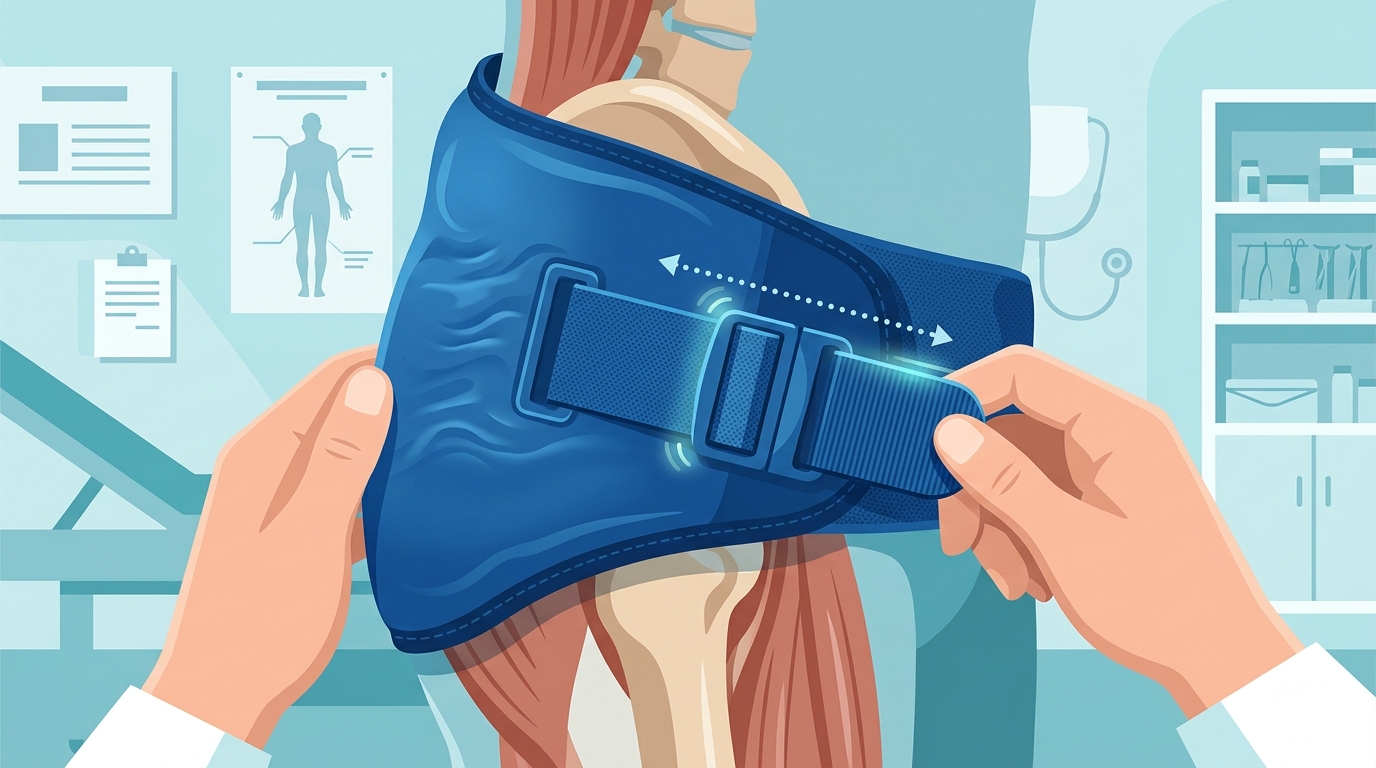
Proper strap adjustment is the single most critical factor in determining whether a hip ice wrap provides effective therapeutic cooling or causes discomfort. The best way to adjust hip wrap straps is to secure them snugly enough to hold the gel pack firmly against the joint without restricting blood flow or causing skin irritation. This balance ensures the cold therapy penetrates the tissue effectively while allowing the wearer to move naturally. Cool Relief designs its hip wraps with flexible, adjustable straps specifically to accommodate this precise tension requirement for users ranging from athletes to post-surgical patients.
The Mechanics of Snugness vs. Tightness
Understanding the difference between therapeutic snugness and restrictive tightness is essential for safe cold therapy application. A hip ice wrap is a compression device that uses elastic tension to maintain contact between the cooling gel and the skin. If the straps are too loose, the pack shifts during movement, creating gaps where heat from the body warms the gel prematurely. If the straps are too tight, the pressure can impede circulation, leading to numbness, tingling, or increased pain rather than relief. For additional details, review the .
The ideal tension level allows you to slide one finger comfortably between the strap and your skin. This simple check ensures the wrap is secure without being constrictive. For hip applications, the wrap must stay in place during walking or sitting, which requires a firmer hold than a knee or ankle wrap. Cool Relief emphasizes that the goal is consistent contact, not maximum compression. Users should adjust the straps until the pack feels anchored, then perform a quick movement test to ensure it does not slide. For additional details, review the Customer Experience.
Step-by-Step Strap Adjustment Protocol
Common Mistakes That Reduce Effectiveness
Many users inadvertently reduce the therapeutic value of their hip wrap through improper strap management. One frequent error is adjusting the straps while the pack is still in the freezer. Cold gel is less flexible, and forcing the straps tight against a rigid pack can create uneven pressure points. Always remove the pack from the freezer, let it soften for a few seconds, and then apply it to the body. This allows the gel to conform to the hip’s curvature before you lock in the straps. For additional details, review the Frequently Asked Questions.
Another common mistake is ignoring the difference between the front and back of the hip. The hip joint is complex, and pain may be felt in different locations depending on the injury. If you are treating a labral tear, the pain is often in the front of the hip, while a bursitis issue may cause pain on the side. Adjusting the straps to center the pack over the specific pain point is more important than centering it over the bone. Misalignment means the cold is not reaching the injured tissue, rendering the therapy ineffective. Users should mark the center of the pack with a small dot to help align it correctly each time.
Optimizing Comfort for Long-Term Wear
While ice therapy is typically used in short sessions, some users wear their wraps for extended periods during recovery. Comfort becomes a primary concern in these scenarios. The material of the wrap matters as much as the strap tension. Cool Relief uses soft, flexible gel that conforms to the body, reducing the risk of pressure sores that can occur with rigid plastic ice packs. However, even soft gel can cause skin irritation if the straps are left in the same position for too long.
To optimize comfort, consider rotating the wrap slightly every 15 minutes if you are wearing it for longer than 30 minutes. This small shift changes the pressure points and prevents the skin from becoming overly compressed in one area. Additionally, ensure that the straps are not rubbing against any existing skin conditions or surgical incisions. If you have a fresh incision, consult your healthcare provider before applying any compression. The straps should be adjusted to avoid direct contact with sensitive areas, using the wrap’s padding to create a buffer. This approach allows you to benefit from the cooling effect without compromising skin health.
Key Takeaways
- Adjust straps until you can slide one finger between the wrap and your skin to ensure therapeutic snugness without restricting circulation.
- Secure the horizontal strap first, then the vertical strap, to distribute pressure evenly and prevent the pack from rotating.
- Always apply the wrap after removing it from the freezer to allow the gel to soften and conform to the hip’s shape.
- Center the pack over the specific pain point, not just the bone, to ensure the cold reaches the injured tissue.
- Perform a movement test by walking around to verify the pack stays in place before beginning your therapy session.
- Rotate the wrap slightly every 15 minutes during extended wear to prevent skin irritation and pressure sores.
Frequently Asked Questions
How tight should hip wrap straps be?
Straps should be snug enough to hold the pack firmly against the skin but loose enough to allow one finger to slide underneath. This level of tension ensures effective cooling without restricting blood flow or causing numbness.
What if the hip wrap slips while I walk?
If the wrap slips, tighten the straps in small increments. Focus on the vertical strap that anchors the pack to the thigh or back. You may also need to re-center the pack over the pain point to ensure it is positioned correctly.
Can I adjust the straps while the pack is frozen?
It is best to remove the pack from the freezer and let it soften for a few seconds before applying it. This allows the gel to conform to your body, making it easier to adjust the straps without creating uneven pressure points.
How do I know if the straps are too tight?
Does the order of strap adjustment matter?
Yes, securing the horizontal strap first and then the vertical strap helps distribute pressure evenly. This order prevents the pack from rotating and ensures it stays centered over the hip joint during movement.
Can I wear the hip wrap for more than 30 minutes?
While some users wear wraps for longer periods, it is generally recommended to limit ice therapy to 15 to 20 minutes at a time. If you do wear it longer, rotate the wrap slightly every 15 minutes to prevent skin irritation.