
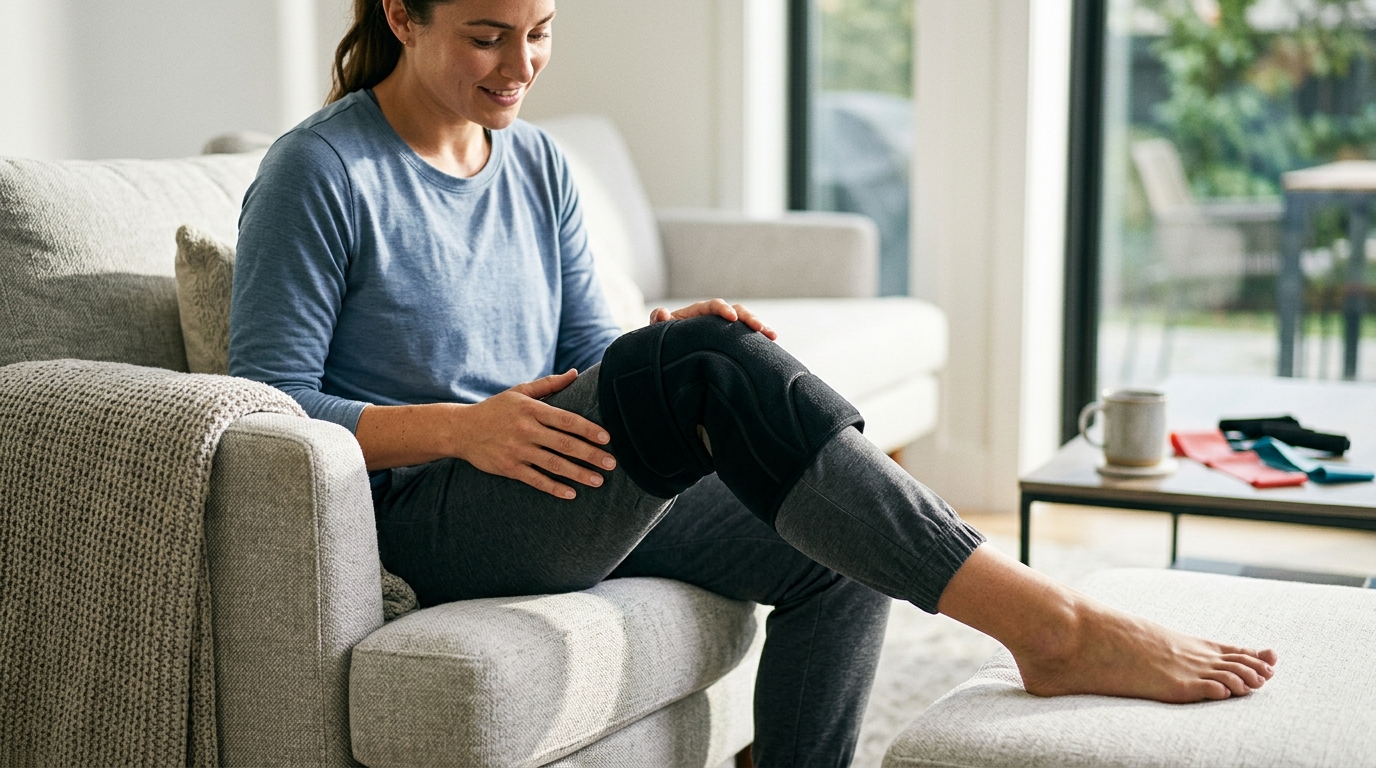
Recovering from a knee injury requires more than just rest; it demands active management of swelling and pain. A compression ice wrap is a specialized tool that combines cold therapy with gentle pressure to accelerate healing. By reducing inflammation and supporting the joint, these wraps help you return to daily activities faster and with less discomfort.
1. Reduces Inflammation and Swelling
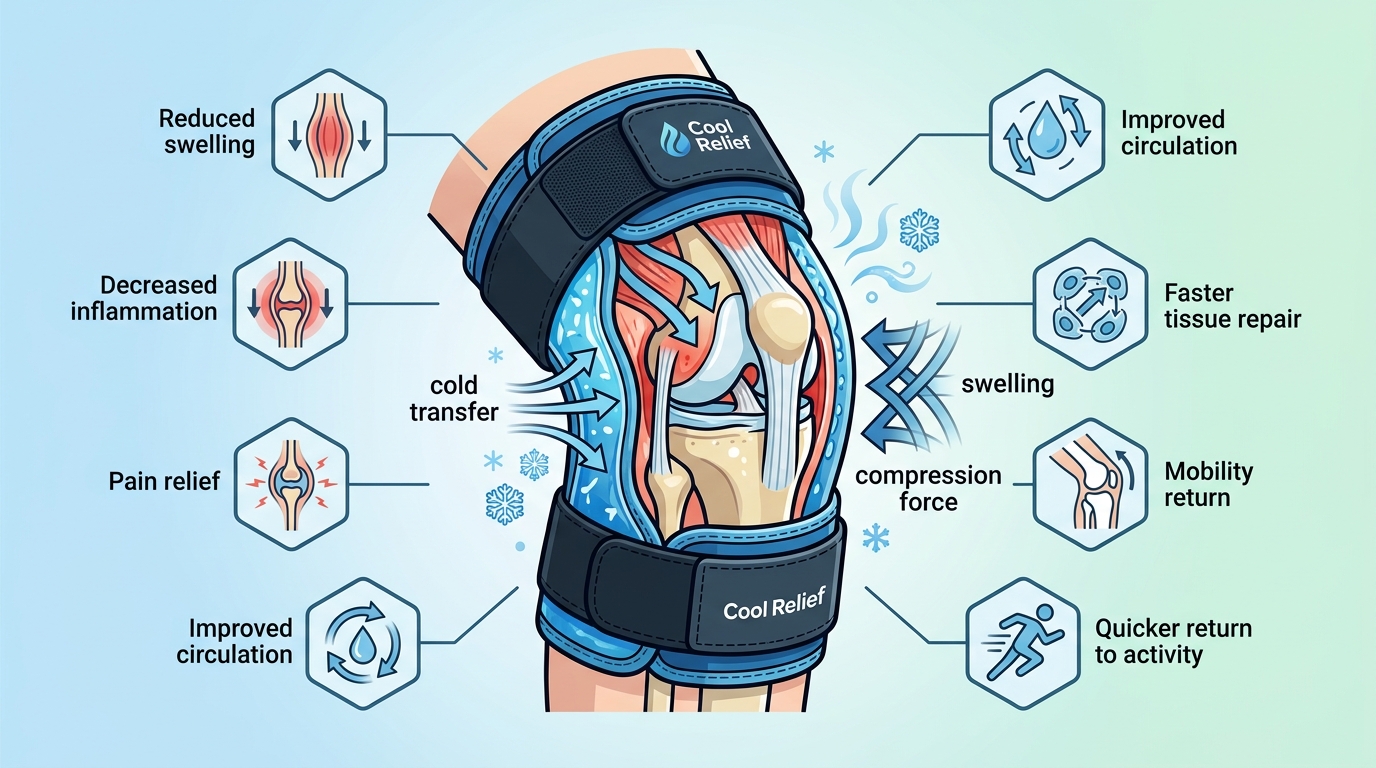
Targeted cold therapy constricts blood vessels to limit fluid buildup. When you sustain an injury, your body sends blood and fluid to the area, causing painful swelling. Applying a cold wrap immediately after an injury helps constrict these blood vessels. This process, known as vasoconstriction, reduces the amount of fluid that leaks into the surrounding tissues, keeping the knee manageable and less painful.
2. Numbs Pain for Better Mobility
Cold application acts as a natural analgesic to manage acute pain. Ice therapy slows down nerve signal transmission, which effectively numbs the injured area. This temporary reduction in pain allows you to move the joint more comfortably during early rehabilitation. By managing pain levels, you can participate in physical therapy exercises more effectively without being hindered by acute discomfort.
3. Provides Gentle Compression Support
Compression stabilizes the joint and reduces the risk of re-injury. A knee wrap is not just an ice pack; it is a supportive garment. The gentle pressure provided by the wrap helps stabilize the knee joint, giving it a sense of security during movement. This support is crucial for ligament sprains or post-surgical recovery, as it prevents the joint from moving in ways that could cause further damage.
4. Enhances Range of Motion
Reduced stiffness allows for easier joint flexion and extension. Swelling and pain often lead to stiffness, making it difficult to bend or straighten the knee. By managing swelling and pain, a knee wrap helps maintain a better range of motion. This is vital for regaining full function, as a stiff knee can lead to compensatory movements that strain other parts of the body, such as the hips and lower back.
5. Facilitates Post-Surgical Healing
Cold therapy is a standard protocol for managing post-operative swelling. After knee surgery, such as ACL reconstruction or arthroscopy, swelling is a significant challenge. Using a knee wrap in the first 48 to 72 hours post-surgery helps control this swelling. It also provides the necessary support for the surgical site, promoting a smoother and faster recovery process under the guidance of your healthcare provider.
6. Supports Muscle Recovery After Exercise
Cooling down after intense activity reduces muscle soreness. Even without a specific injury, athletes and active individuals can benefit from knee wraps. Applying cold therapy after a workout helps reduce delayed onset muscle soreness (DOMS). This accelerates muscle recovery, allowing you to train more frequently and with less downtime. It is an essential tool for anyone looking to maintain peak performance.
7. Offers Convenience and Ease of Use
Choosing the Right Knee Wrap
When selecting a knee wrap, consider the specific nature of your injury and your comfort preferences. Look for wraps that offer adjustable compression to accommodate changes in swelling. Ensure the material is soft and flexible to allow for a full range of motion. At Cool Relief, we design wraps with these factors in mind, providing high-quality solutions for effective recovery.
Frequently Asked Questions
How long should I wear a knee ice wrap?
It is generally recommended to wear a knee ice wrap for 15 to 20 minutes at a time. You can repeat this process every one to two hours, especially during the first 48 to 72 hours after an injury. Always follow the specific instructions provided by your healthcare provider.
Can I use a knee wrap for chronic pain?
Yes, knee wraps can be used for chronic pain conditions like arthritis. While cold therapy is best for acute injuries, it can also help manage inflammation and pain associated with chronic conditions. Some people find that alternating between heat and cold therapy provides the best relief for their specific needs.
Is it safe to sleep with a knee wrap on?
It is not recommended to sleep with an ice wrap on for extended periods. Prolonged exposure to cold can damage the skin and nerves. If you need to use cold therapy at night, set an alarm to remove the wrap after 20 minutes or use a wrap designed specifically for overnight use with safety features.
How do I clean a reusable knee wrap?
Most knee wraps are designed to be machine washable. Remove the gel insert if it is removable, and wash the wrap in cold water on a gentle cycle. Air dry the wrap to maintain the integrity of the fabric and the gel insert. Avoid using bleach or fabric softeners, as these can damage the materials.
What is the difference between a knee wrap and a knee brace?
A knee wrap is primarily designed for cold or heat therapy and provides light compression. A knee brace, on the other hand, is a more rigid support device designed to limit movement and provide structural support for unstable joints. While a wrap can offer some support, it is not a substitute for a medical brace if prescribed by a doctor.