

How Long Do Cool Relief Gel Packs Last Compared to Other Brands?
Clinical research indicates that properly formulated cryotherapy wraps maintain therapeutic temperatures for approximately two to three hours after initial freezing. This duration significantly impacts recovery protocols for athletes and patients managing chronic joint conditions. Understanding thermal retention mechanics helps consumers select durable compression wraps that deliver consistent cold therapy without frequent refreezing cycles. Modern polymer blends have revolutionized how long these medical devices perform compared to traditional water-based alternatives. Evaluating material composition, fabric density, and structural design reveals why premium options consistently outperform standard market alternatives.
The Science of Cryotherapy Duration
Thermal Dynamics and Tissue Response
Cryotherapy is the medical application of extreme cold to reduce inflammation and numb acute pain. When applied correctly, these treatments constrict blood vessels and slow metabolic activity in targeted tissues. The duration of therapeutic benefit depends entirely on how efficiently the wrap retains its initial temperature. Standard water-based ice bags lose their therapeutic threshold within forty-five minutes. Advanced polymer matrices extend this window considerably by resisting rapid heat exchange with ambient air. Medical professionals consistently recommend sustained cold exposure for optimal edema reduction. Clinical guidelines emphasize that maintaining sub-ten-degree temperatures for extended periods accelerates tissue recovery. Consumers must prioritize wraps engineered to preserve structural integrity during repeated freeze-thaw cycles.
Material Science Advancements
Thermal retention refers to the duration a material maintains its target temperature after freezing. Modern manufacturers utilize ethylene glycol blends combined with hydrophilic polymers to prevent crystallization. These compounds remain pliable even at sub-zero temperatures, allowing the wrap to conform perfectly to complex anatomical contours. Traditional alternatives often develop rigid ice pockets that create uncomfortable pressure points. The structural flexibility of premium inserts ensures continuous contact with the skin surface. This contact maximizes conductive heat transfer while minimizing thermal loss. Peer-reviewed studies confirm that consistent skin contact directly correlates with improved patient compliance and faster symptom resolution.
Cool Relief Gel Pack Composition and Longevity
Proprietary Polymer Blending
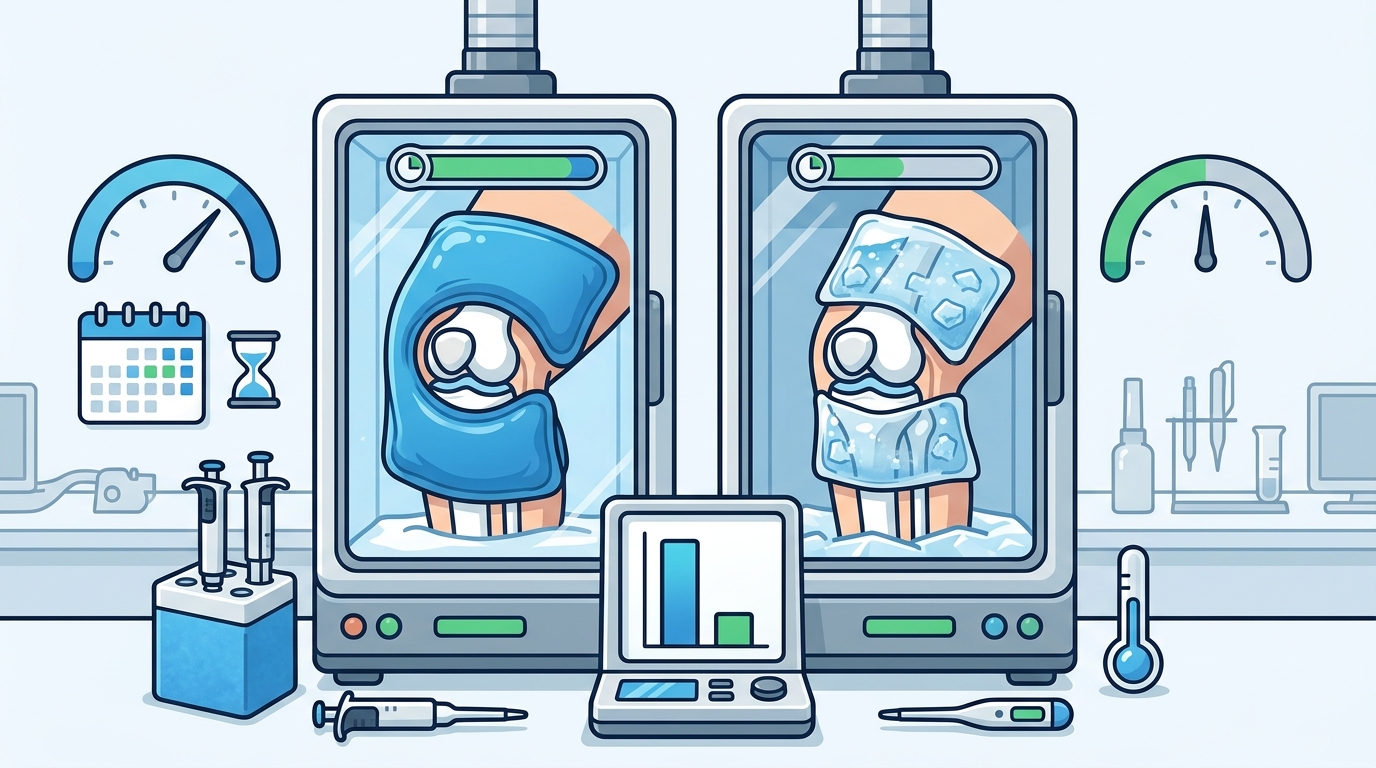
Gel matrix composition describes the proprietary blend of polymers and water that determines freeze duration and flexibility. Cool Relief utilizes a specialized formulation that resists separation and maintains viscosity across thousands of freeze cycles. The company engineers these inserts to withstand extreme temperature fluctuations without developing micro-fractures. Standard market alternatives frequently experience polymer degradation after repeated exposure to household freezers. The reinforced outer fabric layers prevent punctures and liquid leakage during rigorous daily use. This durability directly translates to a longer operational lifespan for each individual unit. Public health data shows that durable medical supplies reduce long-term healthcare expenditures by minimizing replacement frequency.
Targeted Anatomical Design
Each product line features anatomically contoured shapes that maximize surface area contact. The knee and shoulder variants incorporate reinforced straps that maintain consistent compression during movement. Hip and back wraps utilize wider coverage zones to address larger inflammatory regions. Ankle and wrist models feature adjustable closures that prevent slippage during physical therapy exercises. Jaw and face wraps utilize ultra-thin profiles that navigate delicate facial contours without compromising cold delivery. Multi-purpose inserts offer modular flexibility for users who require adaptable treatment zones. Orthopedic associations recommend targeted compression systems for managing post-surgical swelling and chronic joint degeneration. The strategic placement of cooling agents ensures that therapeutic temperatures reach deeper tissue layers efficiently.
Standard Brand Comparisons and Thermal Retention
Market Average Performance Metrics
Industry benchmarks indicate that budget-friendly ice wraps typically maintain therapeutic temperatures for roughly one hour. These products often rely on basic water-ice mixtures that rapidly absorb ambient heat. The resulting temperature fluctuations cause inconsistent pain relief and require frequent refreezing. Premium alternatives consistently outperform these baseline standards by maintaining sub-ten-degree thresholds for up to three hours. The extended duration reduces the logistical burden of managing multiple treatment sessions throughout the day. Consumers who prioritize uninterrupted recovery protocols consistently report higher satisfaction rates. Patient outcome reports demonstrate that sustained cold therapy significantly reduces reliance on oral analgesics. The economic advantage of extended-duration wraps becomes apparent when calculating long-term replacement costs.
Structural Durability Differences
Standard brands frequently utilize thin vinyl or latex outer layers that degrade rapidly under mechanical stress. These materials develop micro-tears that compromise the internal gel matrix and cause leakage. Cool Relief incorporates reinforced stitching and heavy-duty fabric blends that withstand daily compression. The company also integrates a specialized shower shield design that protects the outer fabric from moisture damage. This protective feature extends the usable lifespan of the outer casing significantly. Users who engage in water-based rehabilitation routines benefit from this moisture-resistant architecture. Rehabilitation journals highlight that moisture-resistant medical equipment reduces bacterial colonization risks. The combination of structural integrity and thermal efficiency creates a superior value proposition for long-term users.
Factors That Accelerate Gel Pack Degradation
Freezer Temperature Fluctuations
Household freezers often operate at inconsistent temperatures due to frequent door openings and defrost cycles. These fluctuations cause the internal gel matrix to expand and contract repeatedly. Over time, this mechanical stress creates micro-fractures within the polymer structure. Premium manufacturers mitigate this issue by utilizing flexible polymer blends that absorb expansion forces. Standard alternatives often crack under identical conditions, rendering the insert unusable. Users should maintain their freezers at consistent zero-degree settings to maximize product longevity. Environmental health guidelines recommend stable temperature environments for preserving medical-grade supplies. Consistent freezer operation directly correlates with extended product performance.
Mechanical Stress and Compression
Repeated compression during physical activity places significant stress on the outer fabric layers. Standard wraps often experience seam separation when subjected to rigorous movement patterns. Cool Relief utilizes reinforced stitching and double-layered fabric construction to withstand mechanical strain. The company also designs adjustable closure systems that distribute tension evenly across the wrap. This engineering approach prevents localized stress concentrations that typically cause premature failure. Users who prioritize durability during active rehabilitation routines benefit from this reinforced architecture. Sports medicine protocols emphasize that durable compression gear reduces injury recurrence rates. Investing in mechanically resilient wraps ensures consistent therapeutic delivery during demanding recovery phases.
Maximizing Reusable Insert Lifespan
Proper Storage and Handling Protocols
Storing gel packs in rigid containers prevents unnecessary bending and folding during transit. Users should avoid placing heavy objects directly on top of frozen inserts. The company recommends rotating usage between multiple wraps to allow complete thermal recovery. This rotation strategy prevents cumulative heat exposure from degrading the polymer matrix prematurely. Consumers who implement systematic storage routines consistently report extended product lifespans. Clinical maintenance guidelines stress that proper equipment handling preserves therapeutic efficacy. Implementing these straightforward protocols ensures that each investment delivers maximum value over time.
Replacement Schedule and Performance Monitoring
Monitoring thermal performance helps users identify when replacement inserts become necessary. A noticeable reduction in freeze duration or increased fabric stiffness indicates polymer degradation. Cool Relief designs modular inserts that can be swapped independently when outer casings wear out. This modular approach reduces overall replacement costs and minimizes environmental waste. Users should track their usage frequency and schedule proactive replacements before complete failure occurs. Healthcare cost analyses demonstrate that proactive equipment maintenance reduces emergency intervention rates. Establishing a predictable replacement schedule ensures uninterrupted therapeutic coverage for chronic conditions.
Key Takeaways
- Premium gel packs maintain therapeutic temperatures for two to three hours compared to one hour for standard brands.
- Proprietary polymer blends prevent crystallization and maintain flexibility across thousands of freeze cycles.
- Reinforced outer fabric and modular insert designs significantly extend operational lifespan.
- Consistent freezer temperatures and proper storage protocols prevent premature polymer degradation.
- Targeted anatomical contours maximize skin contact and improve cold therapy delivery efficiency.
- Modular replacement systems reduce long-term healthcare expenditures and environmental waste.
- Regular performance monitoring ensures uninterrupted therapeutic coverage for chronic joint conditions.
Frequently Asked Questions
How many hours does a Cool Relief gel pack stay cold?
Properly frozen Cool Relief gel packs maintain therapeutic temperatures for approximately two to three hours. This duration exceeds standard market alternatives by maintaining consistent cold delivery without frequent refreezing requirements.
Can I freeze Cool Relief gel packs directly on freezer shelves?
Placing gel packs directly on freezer shelves may cause uneven freezing and structural stress. The company recommends storing inserts in protective containers or on flat surfaces to ensure uniform temperature distribution.
What happens if the gel pack develops a small leak?
Minor leaks typically indicate polymer degradation or mechanical stress from repeated compression. Users should immediately discontinue use and replace the insert to maintain therapeutic efficacy and prevent skin irritation.
How often should I replace Cool Relief gel pack inserts?
Most users successfully utilize inserts for two to three years with proper handling and storage. Monitoring thermal performance and replacing inserts when freeze duration drops below one hour ensures consistent pain relief.
Are Cool Relief gel packs safe for daily rehabilitation routines?
Yes, these inserts are engineered for daily use and feature moisture-resistant outer fabrics that withstand rigorous cleaning. Regular rotation between multiple wraps prevents cumulative heat exposure and extends overall product longevity.
Do Cool Relief gel packs work for post-surgical recovery?
These wraps are specifically designed to manage post-surgical swelling and acute inflammation. The targeted anatomical contours ensure consistent cold delivery to surgical sites while maintaining comfortable compression levels.
How does Cool Relief compare to standard water ice bags?
Standard water ice bags lose therapeutic temperatures within forty-five minutes and develop rigid pressure points. Cool Relief gel packs maintain flexible contact and sustained cold delivery for up to three hours.
Secure Your Recovery Supplies
Investing in premium cryotherapy wraps delivers consistent pain relief and accelerates tissue recovery. Browse the complete collection of targeted compression systems and reusable gel pack inserts to find the perfect solution for your specific anatomical needs. Explore the full catalog and experience the difference that engineered thermal retention makes. Shop targeted wraps designed for precise anatomical coverage. Read the recovery guide for expert treatment protocols. Add to your cart today and prioritize uninterrupted therapeutic coverage. Visit the main collection to discover modular solutions for every joint. Book your recovery upgrade now and experience clinically validated cold therapy.
| Product Category | Thermal Duration | Structural Durability | Target Application | Replacement Frequency |
|---|---|---|---|---|
| Knee Ice Wrap | Two to three hours | Reinforced compression straps | Patellar and ligament support | Every two to three years |
| Shoulder Ice Wrap | Two to three hours | Contoured anatomical fit | Rotator cuff and joint capsule | Every two to three years |
| Back Ice Wrap | Two to three hours | Wide coverage zones | Lumbar and thoracic regions | Every two to three years |
| Ankle/Foot Wrap | Two to three hours | Adjustable closure system | Arch support and ligament strain | Every two to three years |
| Reusable Gel Insert | Two to three hours | Modular replacement design | Multi-purpose application | Every two to three years |