
Adjusting the Waist Strap on a Hip Ice Wrap for Comfort
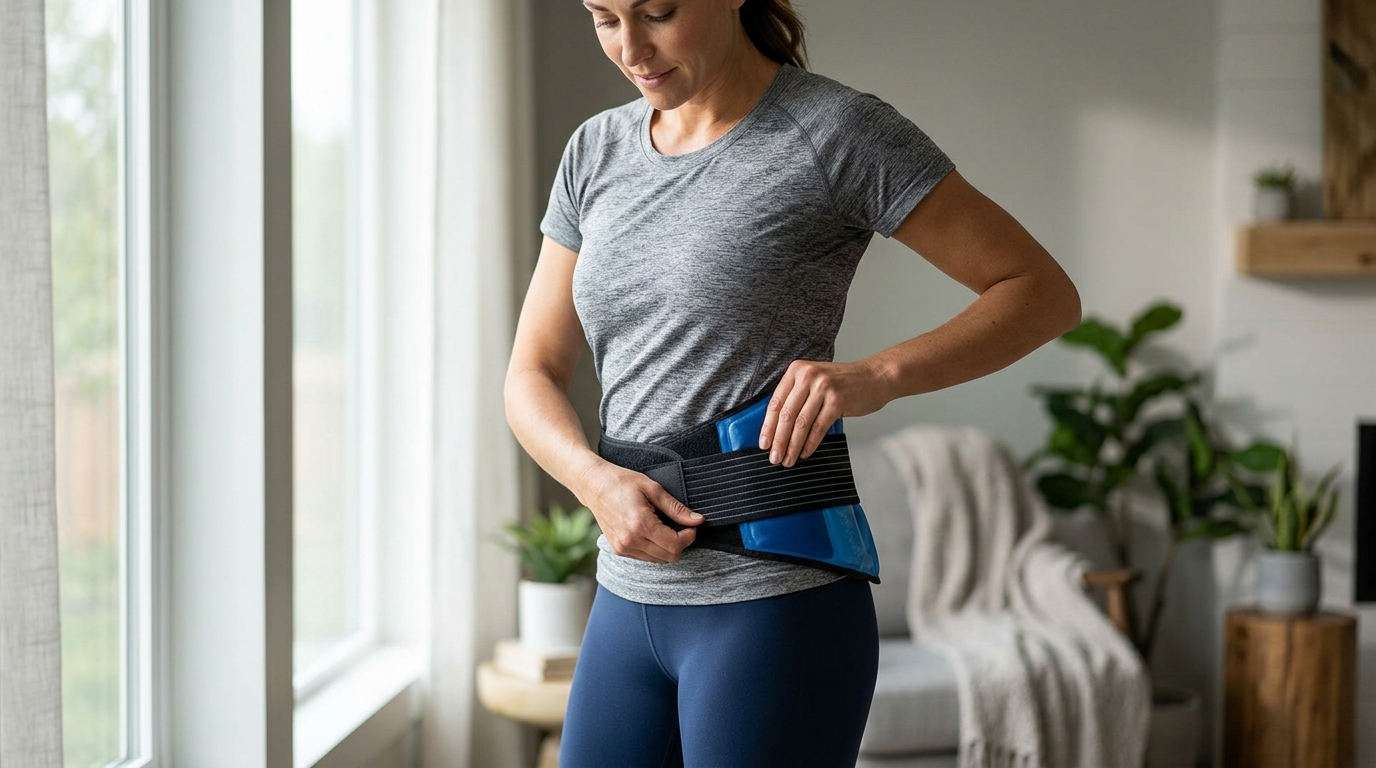
The best way to adjust the waist strap on a hip ice wrap is to secure it snugly enough to hold the gel pack in place without restricting your breathing or circulation. Start by positioning the gel insert directly over the painful area, then tighten the elastic straps evenly. This ensures the cold therapy stays targeted while allowing you to move naturally throughout your day.
Understanding the Anatomy of a Proper Fit
Proper fit is the foundation of effective cold therapy. A hip ice wrap is a reusable compression device designed to deliver sustained cooling to the hip joint and surrounding soft tissues. The goal is not to immobilize the limb, but to stabilize the cold source against the skin. If the strap is too loose, the gel pack will shift, reducing its therapeutic impact. If it is too tight, it can cause pressure points or restrict blood flow, leading to increased discomfort rather than relief.
When you first unroll the wrap, pay attention to the placement of the gel insert. The insert should sit directly over the area of pain, whether that is the greater trochanter, the groin, or the lower back. Once the insert is positioned, the waist strap acts as the primary anchor. You should be able to slide two fingers between the strap and your skin. This two-finger rule is a standard clinical guideline for compression wraps. It ensures the wrap is secure without being constrictive. By following this simple check, you avoid the common mistake of over-tightening, which is a leading cause of user dissatisfaction with ice wraps.
Step-by-Step Adjustment for Maximum Comfort
Adjusting the strap is a process of fine-tuning, not a one-time action. Begin by wrapping the fabric around your hip, ensuring the gel pack is centered. Pull the elastic strap to remove any slack. The fabric should lie flat against your body without bunching or folding. Bunched fabric creates uneven pressure and can cause the gel pack to slide out of position. Once the fabric is smooth, tighten the hook-and-loop closure. Start with a moderate tension. You should feel a firm hug, not a vice grip. After tightening, take a few deep breaths. If your breathing feels restricted, loosen the strap slightly. If the wrap feels like it is slipping when you walk, tighten it by a small increment.
It is also important to consider the time of day. Your body temperature and swelling levels can change throughout the day. A wrap that fits perfectly in the morning might feel slightly different in the evening. Re-check the strap tension before each use. This small habit ensures that the cold therapy remains effective and comfortable. For users with sensitive skin, ensure the inner lining is dry before application. Moisture can cause chafing, which distracts from the pain relief you are seeking. By treating the adjustment as a dynamic process, you maximize the benefits of the wrap.
Avoiding Common Fit Mistakes
Users often neglect the importance of the secondary straps. Many hip wraps feature a main waist strap and a secondary limb strap. The secondary strap helps lock the gel pack in place. If you only adjust the waist strap, the pack may still shift during movement. Always secure both straps. Additionally, be mindful of the temperature. If the gel pack is too cold, it can cause a stinging sensation. Let the pack sit at room temperature for a few minutes before applying it. This gradual cooling is more comfortable and less likely to cause skin irritation. By avoiding these common pitfalls, you ensure a smoother and more effective recovery experience.
Troubleshooting Discomfort During Use
If you experience discomfort while wearing the wrap, it is a signal to adjust your fit. Numbness or tingling is a warning sign that the strap is too tight. Loosen the strap immediately until the sensation subsides. Redness that does not fade after removing the wrap indicates excessive pressure. In these cases, you may need to use a thinner gel insert or adjust the wrap to a different position. If the wrap feels loose and the gel pack slides down, add a layer of padding or tighten the strap further. The key is to listen to your body. Discomfort is not a normal part of cold therapy. It is a cue that your fit needs adjustment.
For users with larger hip circumferences, standard straps may not provide enough tension. In these cases, look for wraps with extended strap lengths or adjustable closures. If your current wrap does not offer enough range, consider a model designed for larger sizes. Proper fit is essential for all body types. Do not compromise on fit for the sake of convenience. A well-fitted wrap delivers consistent cold therapy, which is critical for reducing inflammation and pain. By troubleshooting these issues proactively, you can maintain consistent comfort throughout your recovery period.
Maintaining Strap Integrity for Long-Term Use
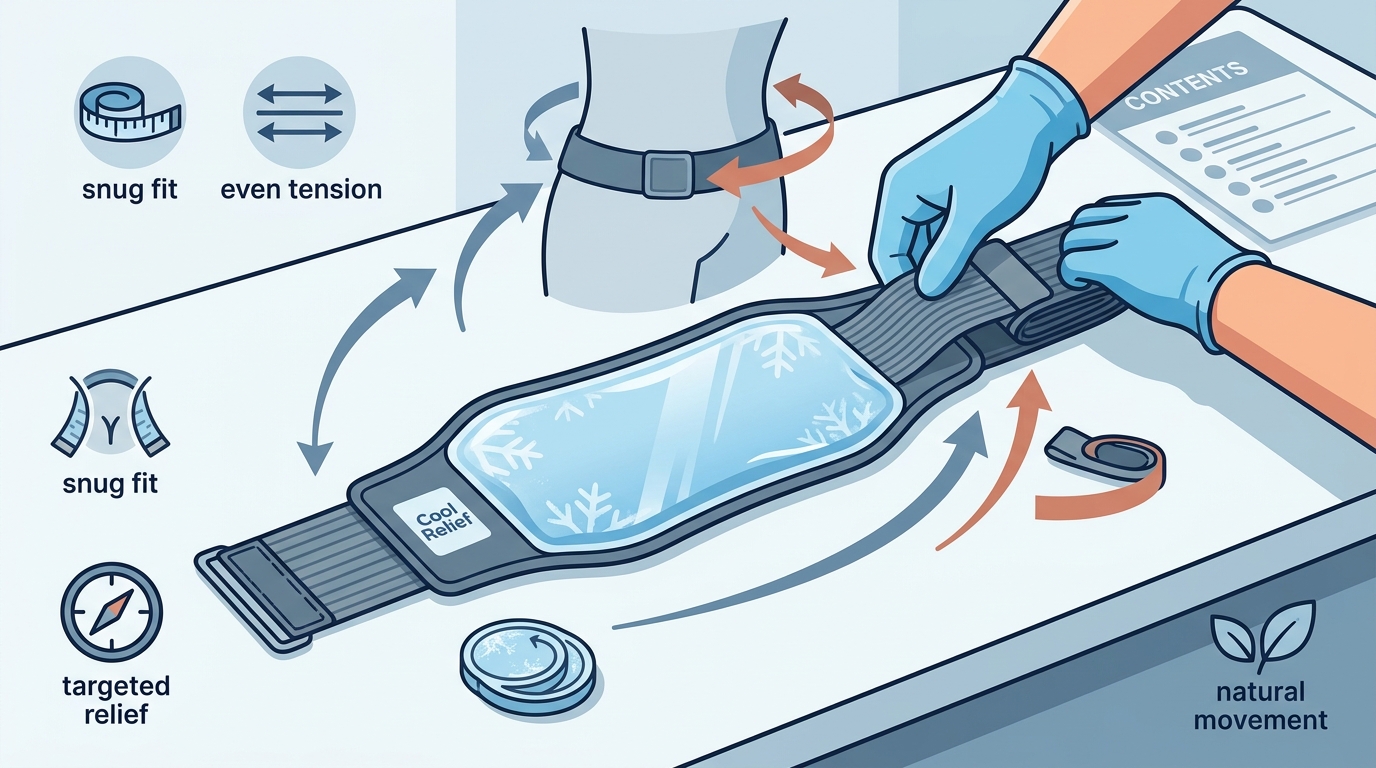
The longevity of your hip ice wrap depends on how well you maintain the straps. Elastic bands lose their stretch over time, especially if they are frequently over-tightened. To extend the life of your wrap, avoid pulling the straps to their maximum limit. Instead, use the hook-and-loop closure to adjust the fit. This reduces the strain on the elastic. After each use, clean the wrap according to the manufacturer's instructions. Dirt and sweat can degrade the fabric and cause skin irritation. A clean wrap is a comfortable wrap. Store the wrap in a cool, dry place when not in use. This prevents the gel from degrading and keeps the straps in good condition.
Regularly inspect the straps for signs of wear. Fraying or thinning elastic indicates that the wrap is nearing the end of its useful life. Replacing the wrap before it fails ensures that you always have a reliable tool for pain relief. By taking care of your equipment, you invest in your long-term recovery. A well-maintained wrap provides consistent performance, allowing you to focus on healing rather than adjusting your gear. This proactive approach to maintenance is a hallmark of effective self-care.
Key Takeaways
- Use the two-finger rule to ensure the waist strap is snug but not constrictive.
- Position the gel insert directly over the painful area before tightening the straps.
- Apply the wrap directly to the skin or over a thin layer for maximum cold penetration.
- Re-check strap tension throughout the day as swelling and body temperature change.
- Secure both the main waist strap and any secondary limb straps for stability.
- Loosen the strap immediately if you feel numbness, tingling, or restricted breathing.
- Clean and store the wrap properly to maintain strap elasticity and fabric integrity.
Frequently Asked Questions
How tight should the waist strap be on a hip ice wrap?
The strap should be snug enough to hold the gel pack in place without restricting breathing or circulation. You should be able to slide two fingers between the strap and your skin. If you feel numbness or tingling, the strap is too tight.
Can I wear a hip ice wrap over clothing?
It is best to wear the wrap directly on the skin or over a thin, moisture-wicking layer. Thick clothing acts as an insulator and reduces the effectiveness of the cold therapy. Direct contact ensures the cold penetrates the tissue effectively.
What if the gel pack slides down while I am walking?
If the pack slides, tighten the waist strap slightly and ensure the secondary strap is secure. You can also add a thin layer of padding to help grip the skin. Re-center the pack before tightening the straps again.
How often should I adjust the strap during the day?
Check the strap tension before each use and periodically throughout the day. Swelling and body temperature can change, affecting the fit. Re-adjusting ensures the wrap remains comfortable and effective.
How do I know if the wrap is too tight?
How should I clean the waist strap?
Wipe the strap with a damp cloth and mild soap after each use. Avoid machine washing unless the manufacturer specifies it is safe. Allow the wrap to air dry completely before storing it to prevent mold and mildew.
Conclusion
Adjusting the waist strap on a hip ice wrap is a simple yet critical step in maximizing your recovery. By following the two-finger rule, positioning the gel pack correctly, and monitoring for signs of discomfort, you can ensure that your cold therapy is both effective and comfortable. Remember that fit is dynamic, so re-check your straps throughout the day. For high-quality, durable ice wraps designed for optimal fit and performance, visit Cool Relief's hip ice wrap collection. Proper fit leads to better outcomes, so take the time to get it right.